
ASKING FOR A FRIEND
When I talk about my mental health I always get told what to do rather than listened to — should I try something different?
ASKING FOR A FRIEND - QUESTION
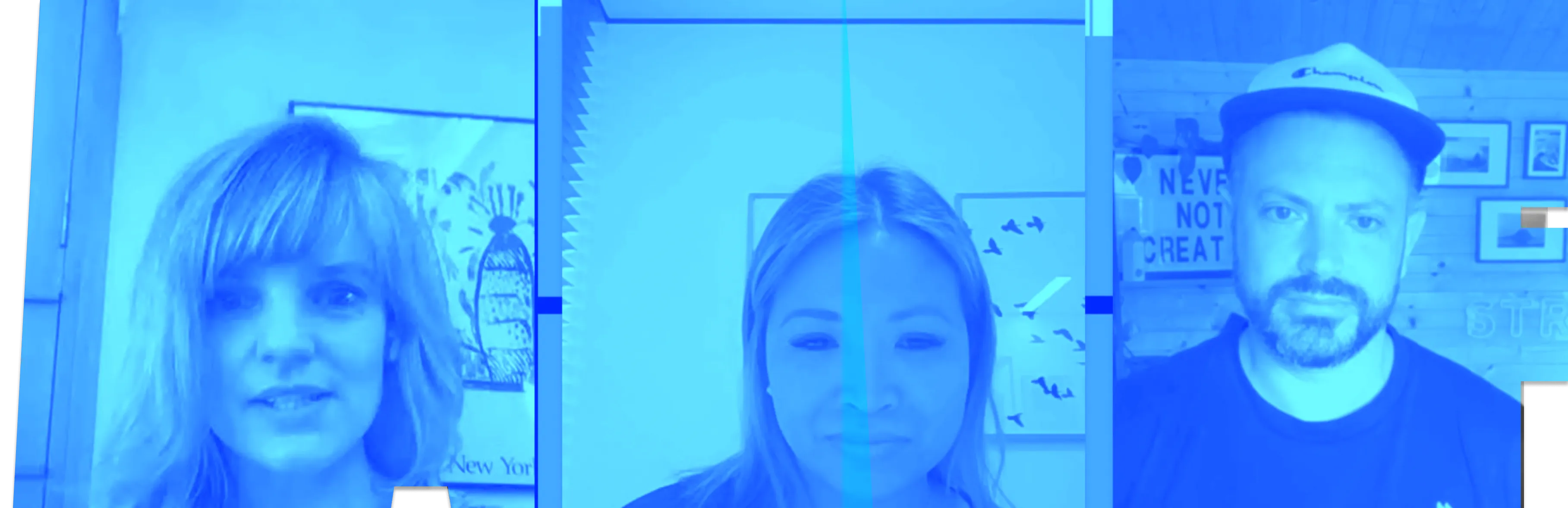
If you have ever worked up the courage to talk about how you are feeling, only to be told to try yoga or "just think positive," this one is for you. In this Asking For A Friend session, host Andy Wright is joined by Caitlin Thamm, mental health expert at HeyMate, and Chris Doyle, industry leader, to unpack why well-meaning people so often reach straight for advice instead of actually listening. Caitlin offers a genuinely useful framework: map your relationships, understand what each person is capable of offering, and tell people what kind of support you need before you start. She also speaks to the importance of finding a counsellor who is the right personal fit, not just qualified on paper. Practical, warm, and honest.
Opening up about your mental health takes courage. Getting told to try meditation or just take some time off in response can make you never want to do it again.
This question was answered by Caitlin Thamm, mental health expert and counsellor at HeyMate, whose work focuses on connecting people with the right professional support, and Chris Doyle, industry leader, who spoke from personal experience about the frustration of reaching out and not feeling heard. Andy Wright hosted the conversation as part of this Asking For A Friend session.
Not everyone in your life is built for every kind of conversation
Caitlin's first suggestion is to take a honest look at the relationships around you. Rather than writing people off, she encourages mapping what different people are actually good at. Some friends are great listeners but hopeless at practical advice. Others will immediately try to fix things, usually with good intentions but without realising that fixing isn't what you asked for. Knowing this in advance means you can make better choices about who you turn to, and when.
Say what you need before you start
One of the most practical points in the conversation came from Chris, who reflected on times he had shared something difficult without telling the other person what he was actually looking for. When you have been sitting with something for weeks and finally bring it to someone, they have no way of knowing whether you want solutions or simply to be heard. Saying something like, "I am not looking for you to fix this, I just want to talk it through" gives the other person something to work with.
Finding a professional who actually fits
If you are looking for more structured support, Caitlin recommends finding a professional who suits your personality and communication style. At HeyMate, she explains, the team takes time to understand a client's preferences before making a match, because the relationship between a client and counsellor matters as much as the counsellor's qualifications. If a first session does not feel right, that is not failure. It is useful information, and finding someone who fits better is always an option.
The takeaway here is both practical and reassuring: getting the support you need is less about being lucky and more about being a little more deliberate, with your relationships, your words, and your choices.
our guests
Industry Leader

Chris Doyle
Christopher Doyle & Co.
Mental Health Expert

Caitlin Thamm
Host