ASKING FOR A FRIEND
What do you expect to see in a portfolio when interviewing for a junior role?
ASKING FOR A FRIEND - QUESTION
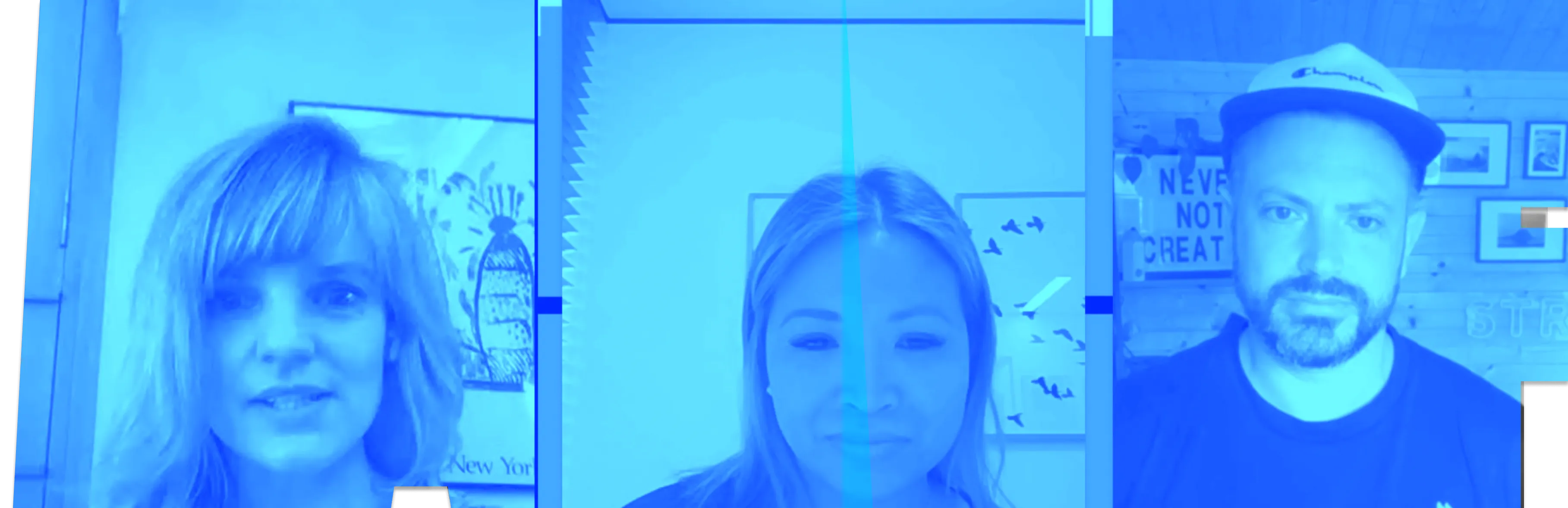
Wondering what a design leader really looks for when reviewing a junior portfolio? Tarra van Amerongen, Head of Design at Atlassian and design educator, and Ash King, psychologist and cyberpsychology researcher at the University of Sydney, break it down in this episode of Never Not Creative's "Asking For A Friend." From articulating the brief and walking through your process, to demonstrating genuine AI fluency (not just AI laziness), this is the honest, practical advice every junior designer needs to hear before their next interview. Also covers: what to include in a design portfolio, how to talk about your work, and why reflection matters more than you think.
Show Your Work (And Your AI Smarts): What Junior Designers Need in Their Portfolio
Landing your first design role is no small feat, especially right now. The industry is moving fast, expectations are shifting, and the humble portfolio, that trusty rite of passage, has taken on a whole new dimension. So what exactly are hiring managers looking for when a junior designer walks through the door?
This question was answered by Tarra van Amerongen, Head of Design, Jira Platform at Atlassian, design educator, and board advisor, alongside host and psychologist Ash King, cyberpsychology researcher at the University of Sydney and creative industries advocate. Both are regular contributors to Never Not Creative's "Asking For A Friend" series.
It Starts With the Brief
For junior roles, Tarra is clear: the focus is on executional and hard craft skills. When reviewing a portfolio, she wants to see that you understand the brief you were given and can articulate it clearly.
"Can you frame up what the brief was and what you did?" Tarra explains. It sounds simple, but many portfolios skip straight to the pretty outcome without explaining the problem being solved. Context matters enormously.
Walk Them Through Your Process
Showing finished work is only half the job. Tarra wants candidates to talk her through their process, including the pivots, the choices, and the trade-offs made along the way.
"Did you have to make any pivots, did you have to make any choices, can you express any of the trade-offs?" she asks. This kind of articulation reveals the level of thinking behind the work, not just the aesthetic result.
She also asks a question that catches many candidates off guard: if you were to do this again, what would you have done differently? It is a deceptively powerful question. "Adults learn through reflection," Tarra notes, and the answer tells her a great deal about how a candidate communicates, manages their time, and thinks critically about their own output.
AI Fluency Is Now Non-Negotiable
Here is the part that might surprise some junior designers: Tarra says she simply cannot hire without seeing evidence of AI tool use.
"I can't hire without seeing evidence of AI tool use. I just can't. That is so incredibly important right now."
This is not about using AI to do everything. It is about demonstrating that you understand where AI adds value and where your own craft and judgment need to take over. Tarra draws a clear line between smart use and lazy use. Synthesising a large research document with AI? Perfectly reasonable. Generating a prototype, presenting it as your own work, and never engaging with it critically? That is a red flag.
"You also need to know where it fits in that workflow and where it saves you time for things that are lower value tasks," she explains. The real skill is knowing where to slow down, where to apply your taste, your understanding of the client, the brand, and the problem space, and where to polish.
She shared a telling example: a creative brief written with AI, not reviewed by the person who wrote it, passed to a colleague who also did not read it, and then presented to Tarra. "Everyone went like this, and no one had actually looked at the thing." That, she says, is not craft. That is slop.
The Nuance Ash Adds
Ash brings a thoughtful psychological lens to the conversation. She points to that critical "20%" Tarra mentioned, the human layer that sits on top of what AI generates, as a genuine signal of capability.
"Being able to sort of see what I can generate, and then where you take that, is really like signs of your capacity there," Ash reflects. It is not about fear of AI replacing you. It is about understanding how to use the tools well enough to show what you, specifically, bring to the work.
One More Thing Worth Knowing
Interestingly, research shared during the conversation found that AI usage among 18 to 24 year olds is actually lower than among 35 to 44 year olds. For juniors who assume AI fluency is expected of them, or who assume they are already ahead of the curve, this is a useful reality check. If you can genuinely demonstrate that you are leaning into these tools thoughtfully, you will stand out.
Conclusion
A strong junior portfolio is not just a gallery of nice-looking work. It is a story: here was the problem, here is how I thought about it, here are the choices I made, here is where AI helped me move faster, and here is where I made sure my own judgment and craft did the heavy lifting. Tarra and Ash both agree: the designers who understand that distinction are the ones who are genuinely set up for success. So before your next interview, take a moment to reflect, not just on what you made, but on how and why you made it.
our guests
Industry Leader

Tarra van Amerongen
Mental Health Expert

Ash King
ashking.com
Host