
ASKING FOR A FRIEND
I've been diagnosed with autism — do I tell work?
ASKING FOR A FRIEND - QUESTION
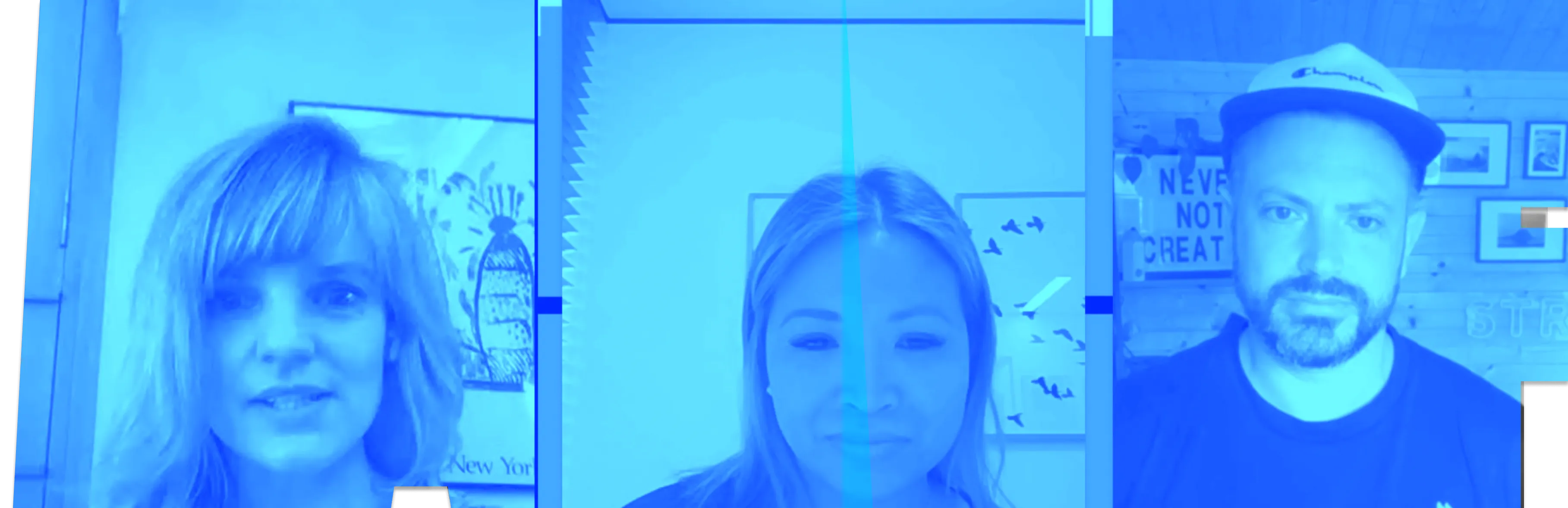
Someone has just received an autism diagnosis, people around them have been making jokes about it for years, and now they want to know: do they have to tell work? In this Asking For A Friend session, host Andy Wright puts the question to Katie Feder, Mental Health Expert, and Michael Tsapazi, Industry Leader. Katie brings exactly the kind of grounded, compassionate clarity this question deserves, walking through the grief that often follows a late diagnosis, the importance of knowing your own motivation before disclosing anything, and why sharing personal information should only ever be an act of genuine self-support. If you have ever wondered whether you owe your employer your medical history, this one is for you.
Getting an autism diagnosis as an adult is a life-changing moment, and one of the first questions many people ask is: do I now have to tell work? The short answer, according to the experts in this Asking For A Friend session, is no.
This question was answered by Katie Feder, Mental Health Expert, whose work centres on helping individuals navigate the emotional and practical complexities of diagnosis and identity; Michael Tsapazi, Industry Leader, who brought perspective on how these conversations play out in professional environments; and Andy Wright, host of Asking For A Friend on Never Not Creative, who grounded the discussion with candour and his own experience of disclosing a personal diagnosis.
You are under no obligation to tell anyone
Katie was clear on this from the start. There is no timeline, no rule, and no obligation to share a diagnosis with an employer, a colleague, or anyone else until doing so genuinely serves the person who has received it. Disclosure, she argued, should only ever happen when it is an act of self-support, not an act of duty.
Start with your motivation
Before saying anything to anyone, Katie encouraged the person asking to sit with some honest questions: what is your motivation for telling them, what are you hoping to gain, and what do you hope will change? Once those questions are answered, it becomes much clearer whether sharing the information will move you closer to what you need, or further away from it.
The grief process after diagnosis is real
One of the most powerful points Katie raised is that receiving a diagnosis often triggers something that feels more like grief than relief. Looking back along a life's timeline with new understanding, reinterpreting experiences, and recognising moments of pain in a new light can be deeply affecting. That process deserves time and space before any disclosure is considered.
The other person needs time too
Andy reflected on his own experience of disclosing a diagnosis without first thinking through his reasons for doing so. Katie built on this by noting that the person receiving the information also needs time to process it, and that going in without a clear sense of what you need from the conversation can leave you feeling more alone, not less.
The takeaway from this session is simple but important: your diagnosis is yours. Share it on your own terms, in your own time, and only when doing so will genuinely support you.
our guests
Industry Leader

Michael Tsapazi
The Edison Agency
Mental Health Expert

Katie Feder
Host