
ASKING FOR A FRIEND
Is the small team size at Christopher Doyle & Co intentional, and what does it mean for the scope of projects you take on?
ASKING FOR A FRIEND - QUESTION
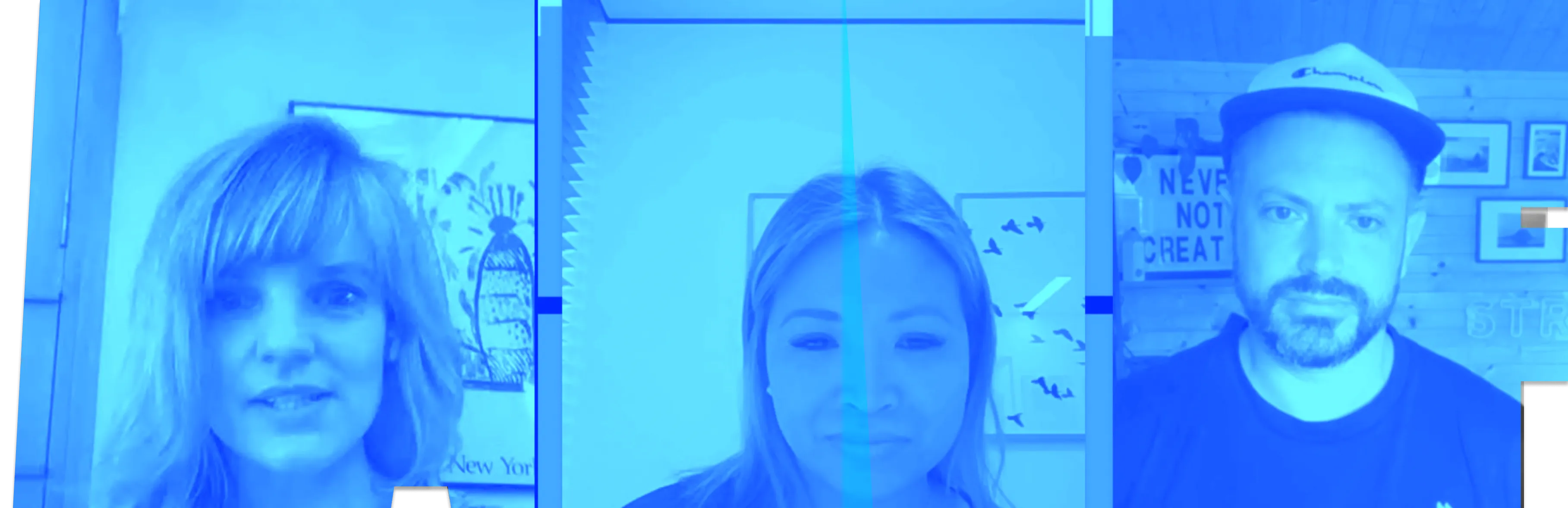
Is keeping your studio tiny a bold creative choice or a business risk? In this Asking For A Friend session, host Andy Wright puts that exact question to Chris Doyle, Founder of Christopher Doyle & Co, who has deliberately kept his team at no more than five people and currently runs as a duo. Chris explains why staying hands-on with design has always mattered more to him than scaling up, and shares the remarkable story of how that philosophy helped him build and sustain a substantial creative relationship with Spotify. Mental Health Expert Caitlin Thamm adds valuable context around identity and sustainable practise. If you have ever wondered whether going small means thinking small, Chris makes a pretty compelling case that it does not.
Some studios grow to prove they have arrived. Chris Doyle built his to make sure he never stopped doing the thing he loved most: the actual design work.
This question was answered by Chris Doyle, Founder of Christopher Doyle & Co, whose experience running a deliberately small creative studio gave him a sharp, first-hand perspective on the relationship between team size and creative output; Caitlin Thamm, Mental Health Expert, whose understanding of identity and sustainable work practises adds important context to why these decisions matter beyond the business case; and Andy Wright, host of Asking For A Friend on Never Not Creative, who guided the conversation.
The deliberate choice to stay small
Chris is unambiguous: keeping the studio at a maximum of five people, and currently just two, is entirely intentional. When he was working in agencies, he found himself drifting further from the design work he loved, spending his days in meetings and steering younger creatives rather than creating anything himself. Starting his own studio was a direct response to that, a way to stay on the tools. When the team crept toward five people, he noticed the same pattern emerging. The decision to scale back was not a failure, it was a correction.
Why small did not mean limited
The Spotify relationship is Chris's clearest proof that a small team does not cap your ambitions. The connection began through a trusted personal relationship, grew organically as both organisations expanded, and at its peak covered an enormous volume of campaign work throughout the year. What Spotify valued, Chris says, was speed and direct access to the people actually doing the work. There was no account service layer, no project managers. Far from being a weakness, that directness was repeatedly cited as a selling point by the client.
The honest trade-off
Chris does not pretend there is no cost. The studio has been told they have lost pitches because they are perceived as too small. He accepts that as part of the deal. What has shifted in the broader industry, particularly since the pandemic, is that more clients are asking whether the work is good, timely, and on budget rather than whether it came from a recognisable agency with an impressive office. That cultural shift has quietly levelled the playing field for boutique studios willing to back themselves.
Staying small is rarely the path of least resistance, but for Chris it has always been the right one: a business built around doing the work, not just overseeing it.
our guests
Industry Leader
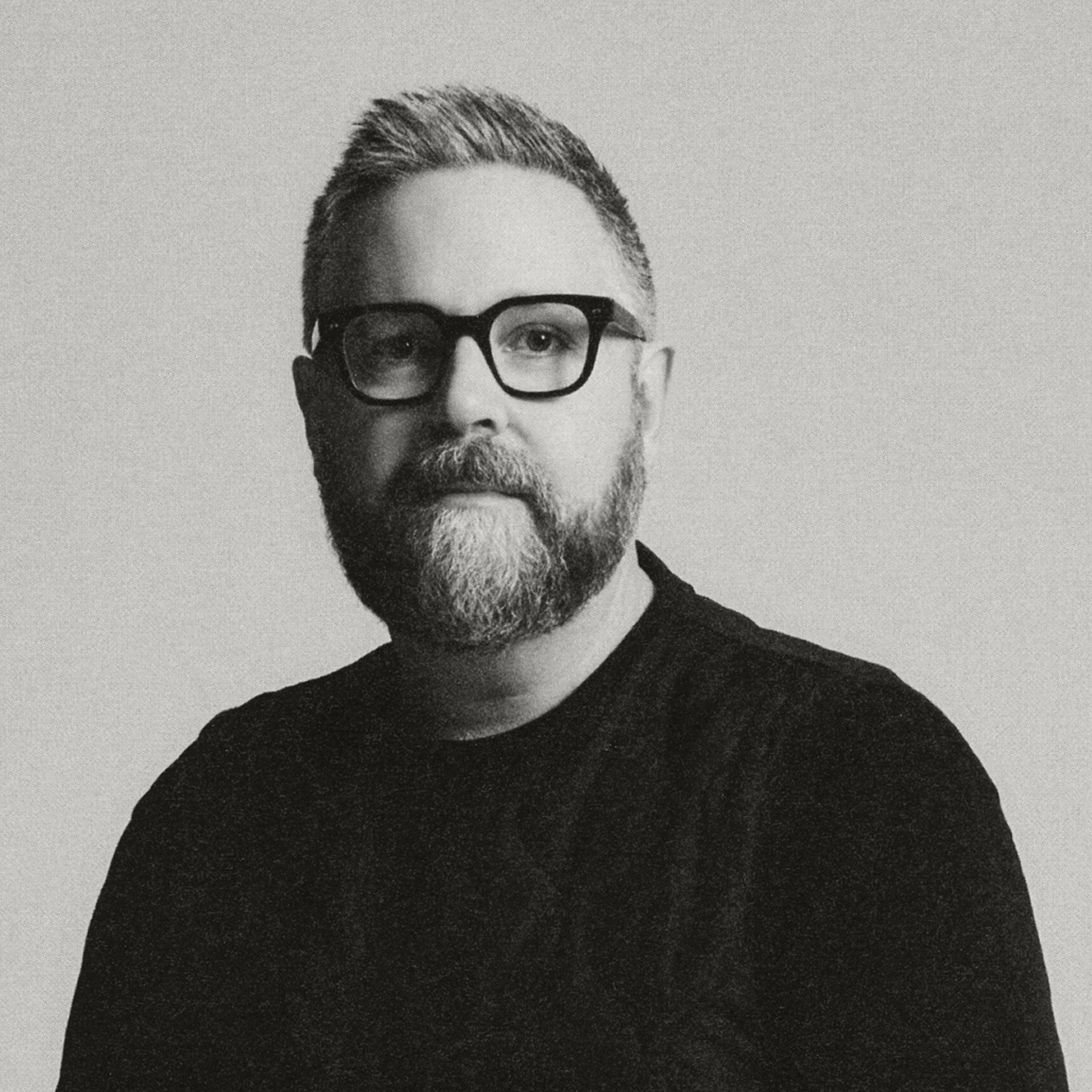
Chris Doyle
Christopher Doyle & Co.
Mental Health Expert
Caitlin Thamm
Host