ASKING FOR A FRIEND
I'm scared of being made redundant — how do I avoid being the one let go?
ASKING FOR A FRIEND - QUESTION
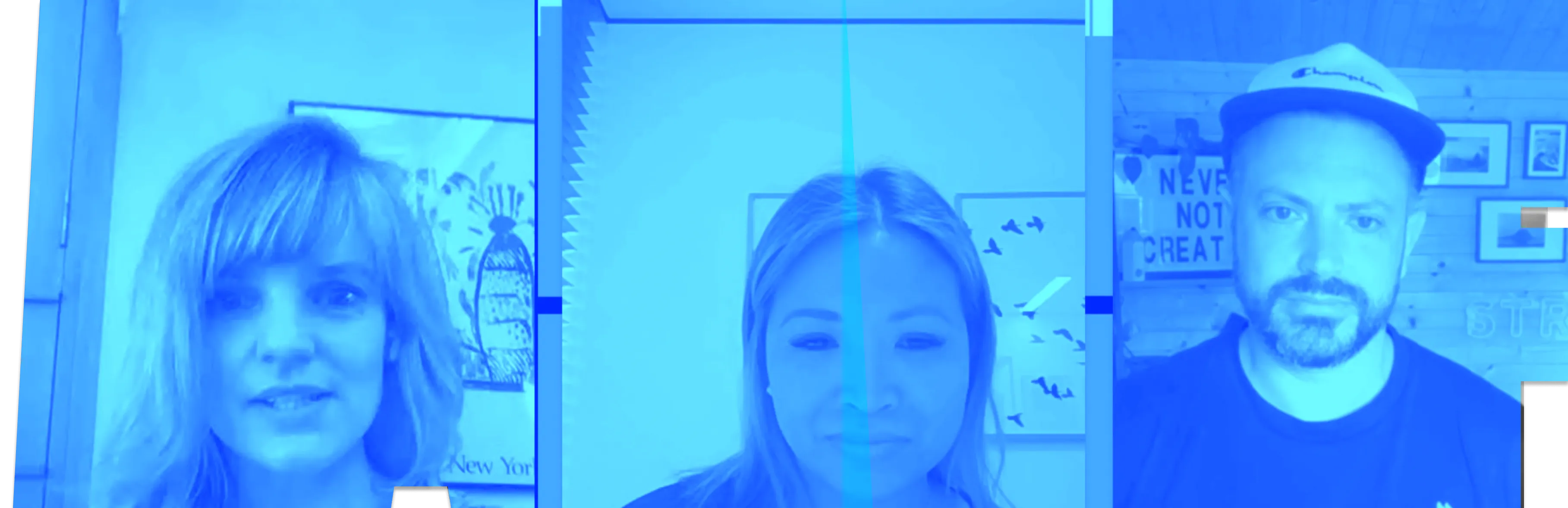
The fear of redundancy is real, it is common, and it deserves a proper answer rather than a pat on the back and a "you'll be fine." In this Asking For A Friend session, host Andy Wright puts the question to two people who approach it from very different but equally essential angles. Michael Tsapazi, industry leader, draws on first-hand experience of redundancy decisions to explain what managers are actually looking for when the cuts come: contribution, resilience, and the ability to reduce friction rather than create it. Katie Feder, mental health expert, takes the internal view, exploring how fear can tip into hyper-vigilance and why building a quiet sense of inner security, including something as practical as updating your CV, is more useful than white-knuckling your way through uncertainty. Between them, they cover the full picture.
Few workplace fears cut as deep as the possibility of redundancy. Whether it is a whispered rumour or a very real restructure, knowing how to respond, both outwardly and inwardly, makes all the difference.
This question was answered by Michael Tsapazi, industry leader, whose experience on both sides of redundancy decisions gives him a grounded, unsentimental perspective on what organisations actually look for when making tough calls; Katie Feder, mental health expert, who focuses on the internal landscape of fear and how to build genuine security rather than anxious over-functioning; and Andy Wright, host of Asking For A Friend on Never Not Creative, who brought the question to the table and guided the conversation.
Focus on what is actually in your control
Mike's advice is refreshingly clear: put yourself in the shoes of whoever is making the redundancy decisions. From that vantage point, the people who stand out are those helping the business succeed, creating the least friction, and showing up with energy when things get difficult. That means thinking practically about revenue, whether your role generates it directly or whether you can find ways to expand a brief, add efficiency, or spot an opportunity that others have missed. It is not about being endlessly agreeable; it is about being genuinely useful.
Resist the pull of hyper-vigilance
Katie's contribution sits on the other side of the equation. She is clear that fear, taken too far, stops being protective and starts being destructive. Hyper-vigilance, over-functioning, and constant anxiety actually reinforce the fear at a nervous system level, making things worse rather than better. The goal is not to eliminate fear but to stay in relationship with it rather than being consumed by it.
Prepare practically, but from a place of empowerment
One of Katie's most useful suggestions is to update your CV, not as a panicked reaction, but as a way of reclaiming a sense of agency. Recognising that you are capable, resourced, and adaptable enough to meet whatever comes next is far more stabilising than trying to control outcomes you cannot influence. As Katie puts it, it is never about the object itself; it is always about your relationship to it.
Taken together, Mike and Katie's perspectives offer a genuinely complete answer: do the visible, tangible things that demonstrate your worth, and quietly build the inner foundation that means you will be all right either way.
our guests
Industry Leader
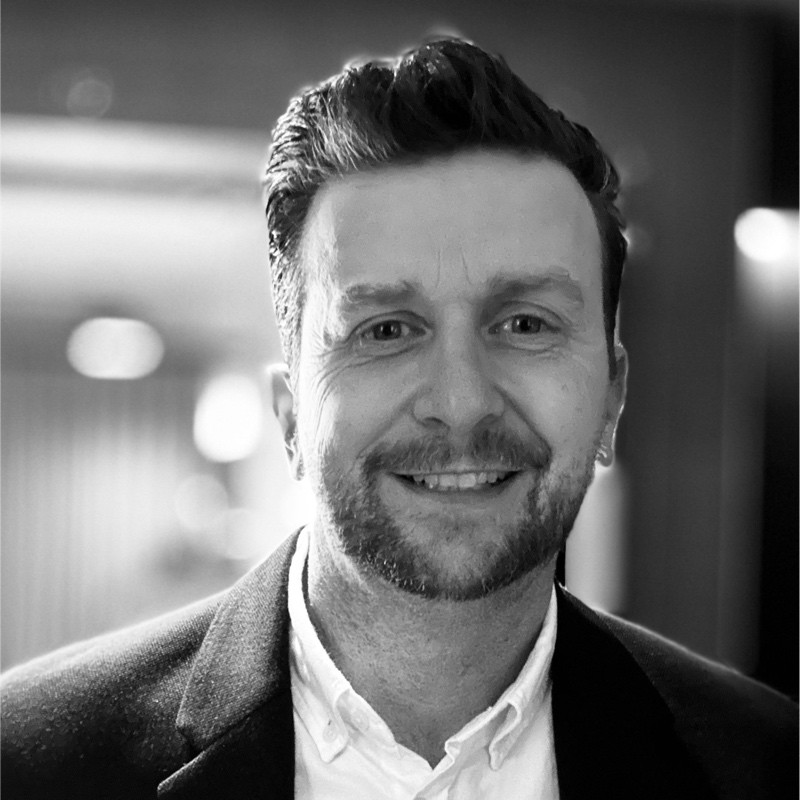
Michael Tsapazi
The Edison Agency
Mental Health Expert

Katie Feder
Host