
ASKING FOR A FRIEND
How to know if the many coaching programs advertised will live up to expectations or waste my time?
ASKING FOR A FRIEND - QUESTION
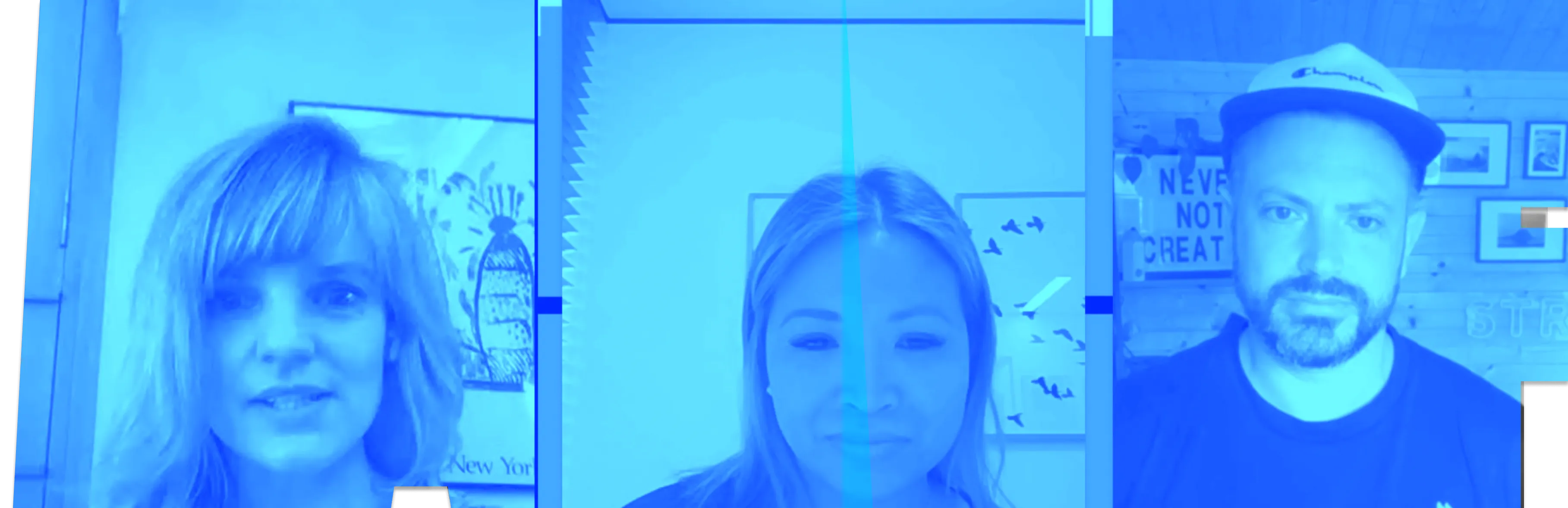
Christopher Doyle, award-winning brand and design director with over 20 years of experience, and Dr. Aileen Alegado, registered clinical psychologist and Director of Mindset Consulting, join Never Not Creative's "Asking For A Friend" to tackle one of the design community's most pressing (and expensive) questions: how do you know if a business coaching program will actually deliver, or just drain your bank account? With 70% of Instagram seemingly selling designers a golden ticket, Chris and Aileen cut through the noise with honesty, psychological insight, and a healthy dose of scepticism. Essential reading for any designer who has ever hovered over the "sign up" button at midnight.
How to Spot a Coaching Program That's Worth Your Money (And One That Isn't)
Never Not Creative's "Asking For A Friend" tackles the questions designers are too nervous to ask out loud. This one hits close to home: with business coaching programs for designers popping up everywhere, some costing $10,000 or more, how do you tell the difference between genuine support and an expensive lesson in regret? It's a question worth asking carefully, especially when the people selling these programs are very, very good at making you feel like you can't afford not to buy.
This question was answered by Christopher Doyle, award-winning brand and design director with over 20 years of industry experience, and Dr. Aileen Alegado, registered clinical psychologist and Director of Mindset Consulting, specialising in corporate professionals and high performers. Together they bring a rare combination of creative industry credibility and psychological insight to a topic that is equal parts financial and emotional. The conversation was hosted by Chris, who also shared his own candid perspective throughout.
The Landscape Is Noisy (And Deliberately So)
Chris was refreshingly blunt about what he sees every day: "I would say this is 70% of my Instagram feed is people offering courses that will guarantee you monthly earnings." He noted that despite scrolling past countless ads, he is yet to see the actual work produced by either the course creator or anyone who has taken the course. That absence of evidence is worth sitting with.
These programs, he explained, follow a familiar pattern: "They are really clever at making you feel like they have the absolute golden goose answer." The packaging is polished, the promises are big, and the pressure is real.
They're Selling to Your Insecurities, Not Your Strengths
Aileen named the mechanism clearly: "Their business is based on selling on your insecurity. It's meant to make you feel less than, because that's how they're going to get their money out of you."
This is not accidental. The videos, the ads, the sales calls are designed to make you feel like your hesitation is the problem, not the product. One person in the community shared that a coach told them on a call: "If you want to make use of the money-back guarantee, you'd be the first one to ask." That kind of pressure is a signal, not a selling point.
There Is No Silver Bullet (And That's the Whole Point)
Chris identified the core belief that makes these programs so effective: "The main issue is the belief that there's a silver bullet." When you're feeling uncertain about your business or your career, the idea that one course, one system, one funnel could fix everything is genuinely appealing. But as both Chris and Aileen agreed: there isn't one.
What does work, Aileen suggested, is something more tailored: "If there is coaching and you get on with the person and they take time to listen to what it is that you want to achieve, and they tell you here are some different ways you might be able to achieve that, that is proper coaching." Chris agreed immediately, adding that this kind of support requires individual attention, "not charging everyone 10 grand and giving everyone exactly the same course."
How to Do Your Due Diligence
Aileen offered a practical reframe: get specific about what you actually need before you spend anything. "Getting specific to what it is that you might feel insecure about and really genuinely need upskilling, rather than just this global targeting of: I don't feel good enough."
She suggested asking yourself whether you need business coaching, financial coaching, technical skills development, or something else entirely. Once you know what the gap actually is, you can evaluate whether a program genuinely addresses it.
From there, the checklist is straightforward:
- Check the credentials of whoever is teaching
- Look for real case studies and evidence of outcomes
- Be cautious of manufactured urgency or pressure to sign up on the call
- Ask whether there is a genuine money-back guarantee, and what the conditions actually are
Experience Helps, But Community Helps Too
Chris acknowledged that his two decades in the industry make it easier to see through aggressive sales tactics. But he was clear that less experienced designers are more vulnerable, and that the stakes are higher for them: "For a young designer running their own business, spending 10 to 15 grand on somebody telling me how to get new business is a really expensive exercise, for somebody who may already be struggling financially."
This is exactly why the design community talking openly about these experiences matters. Sharing what you've seen, what you've been told on calls, and what the outcomes actually were helps protect people who haven't yet built up the pattern recognition to spot the red flags themselves.
Some Programs Are Legitimate
Neither Chris nor Aileen dismissed the entire category. Chris was careful to note: "Some of them are probably legit. Depending on the age and stage you're at in terms of your career, there's probably some really useful stuff in there." The concern is not that coaching doesn't exist, it's that the most aggressively marketed programs are often the least accountable ones.
Navigating the world of business coaching programs for designers is genuinely tricky, because the people selling the questionable ones are often very skilled at marketing. But the tools to protect yourself are simpler than they might seem: get specific about what you need, check the credentials, look for real evidence of outcomes, and trust your instincts when a sales call starts to feel uncomfortable. You are allowed to say no, take time to think, and ask for references. A program that is genuinely good for you will still be there tomorrow.
our guests
Industry Leader

Chris Doyle
Christopher Doyle & Co.
Mental Health Expert

Dr Aileen Alegado
Mindset Consulting
Host