ASKING FOR A FRIEND
How do you stay motivated for personal creative work when your full-time design job is draining?
ASKING FOR A FRIEND - QUESTION
If you have ever come home from a full day of designing and felt absolutely zero desire to open your own sketchbook, this Asking For A Friend session is for you. A designer asked how to stay motivated for personal creative work when their full-time job leaves them running on empty, and the answers from our guests go a lot deeper than "just make time for it." Mental health expert Sharon Draper reframes the whole question, encouraging reflection on what is draining motivation rather than how to manufacture more of it, and gently raises the possibility that burnout, not laziness, might be at play. Creative industry leader Quan Payne shares honestly about the harder seasons of his own career and why finding small, genuine joys, and dropping the pressure to perform, can be what keeps your personal creativity alive. Warm, practical, and genuinely reassuring.
Working as a full-time designer is genuinely demanding. When your job asks for creativity all day, finding energy for personal work at night can feel less like passion and more like pressure.
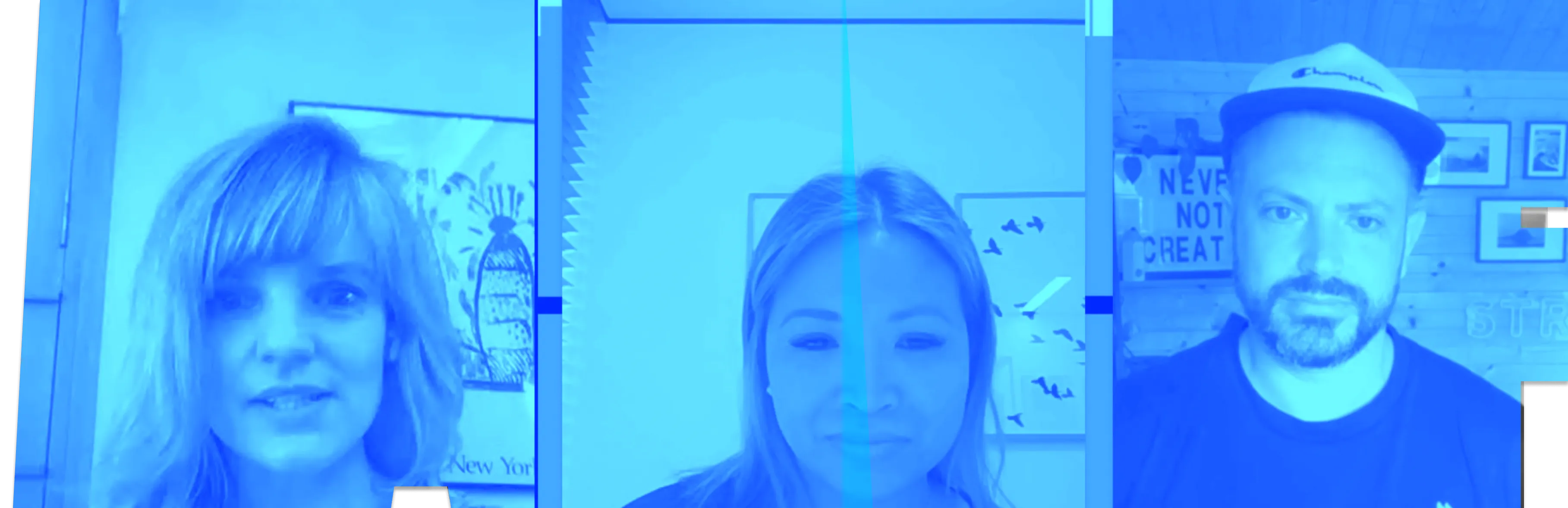
This question was answered by Sharon Draper, a mental health expert whose work focuses on individual wellbeing, energy management, and burnout prevention, and Quan Payne, a creative industry leader with years of experience navigating the emotional realities of a long design career. Andy Wright, host of Asking For A Friend on Never Not Creative, guided the conversation.
It Might Not Be a Motivation Problem
Sharon was quick to reframe the question. Rather than asking how to generate more motivation, she encouraged sitting with a different question: what is actually draining it? High job demands, unrealistic deadlines, and excessive workload can all quietly tip into burnout territory, and motivation loss is often one of the first signs. Before reaching for productivity tips, Sharon suggested honestly examining what the job is asking of you and whether you have anything left to give yourself by the end of the day.
The Perfectionism Trap
She also raised something worth sitting with: the tendency to bring the same standards from work into personal creative practice. If perfectionism shapes how you perform at your job, it will likely follow you home. Sharon's advice was to give yourself permission to create without the pressure of it needing to be profitable, polished, or portfolio-worthy, at least for now. Playfulness, she suggested, is often the way back in.
Finding Small Joys That Refill the Cup
Quan brought a personal honesty to this that grounded the conversation. He spoke about periods in his career where showing up felt genuinely difficult, and how he learnt to anchor himself to small, real pleasures, something as simple as birds in the trees on the walk to work. His point was that healthy creative output starts with a healthy mind, and that personal creative work does not have to compete with professional output. It can be drawing, music, or anything that feels genuinely joyful rather than performative.
The thread running through both perspectives is this: be kinder to yourself than your industry expects you to be. The expectations we carry are often the heaviest part of the load.
our guests
Industry Leader
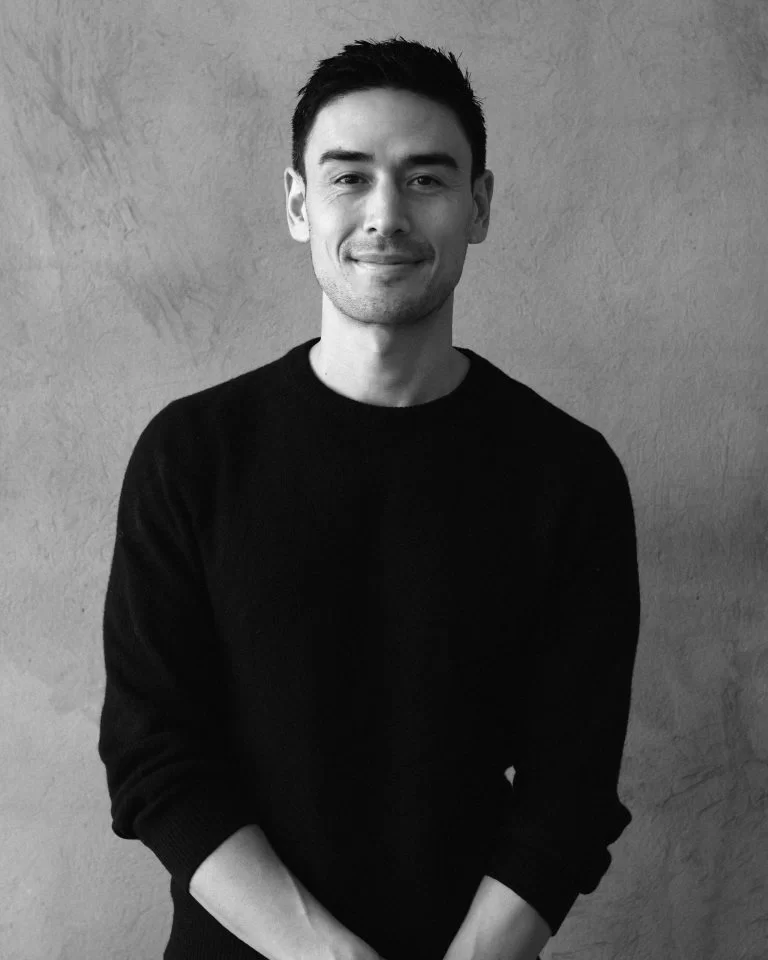
Quan payne
Studio Payne
Mental Health Expert

Sharon Draper
The Conscious Project
Host