ASKING FOR A FRIEND
How do you recognise and treat burnout after leaving a role due to a psychosocial hazard?
ASKING FOR A FRIEND - QUESTION
Someone has left a decade-long creative role after an unmanaged psychosocial hazard, and they're asking the question so many people are too afraid to voice: am I burned out, or am I just broken? They're in therapy, three months out of work, doubting themselves, and grieving an identity they no longer recognise. It's a big one. Fortunately, Sharon Draper, Mental Health Expert and psychologist who works with psychological injury claims, is here to explain why burnout is a nervous system issue rather than a personal failing, and why removal from the stressor is just the starting line, not the finish. Quan Payne, Industry Leader and someone who has lived through his own version of identity loss after leaving a role, brings the kind of honesty that only comes from experience. Together, they make a compelling case for self-compassion, grief, and giving yourself considerably more than three months.
Leaving a harmful workplace is a brave and necessary step, but it turns out removing the stressor is only the beginning. For many people, the hardest part comes in the quiet that follows.
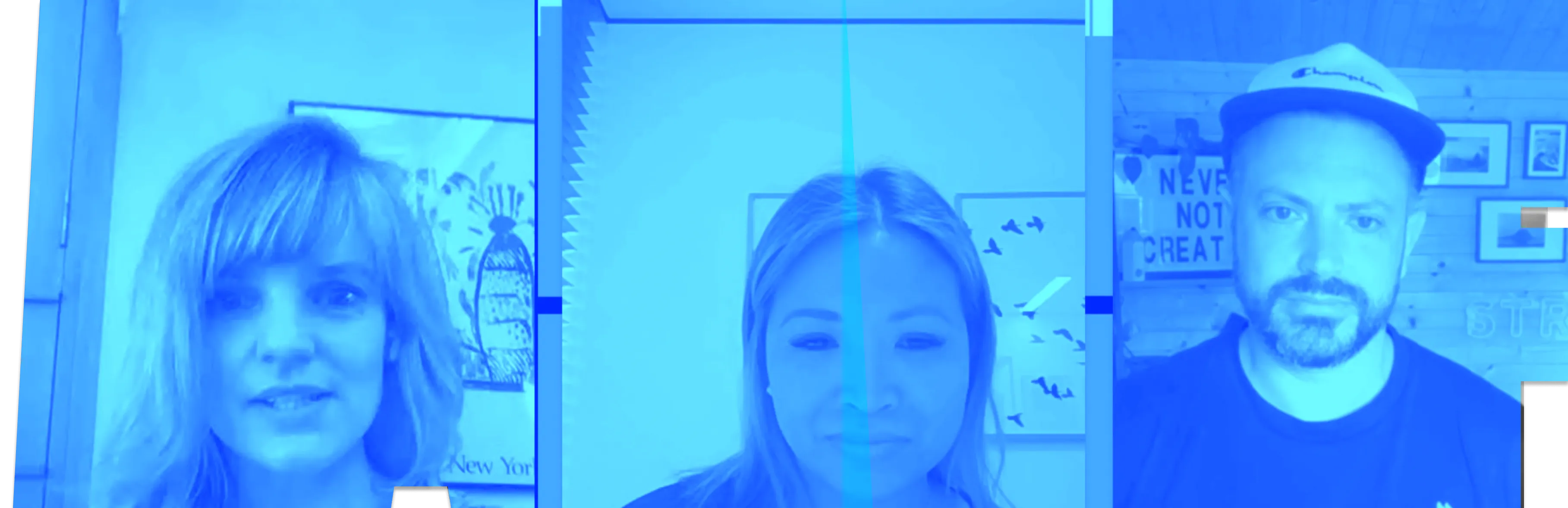
This question was answered by Sharon Draper, Mental Health Expert and psychologist specialising in workplace stress and psychological injury, and Quan Payne, Industry Leader and creative professional who has navigated his own experience of identity loss after leaving a role, with Andy Wright as host of Asking For A Friend on Never Not Creative.
Burnout is not just exhaustion
Sharon is clear on this: burnout is a state of prolonged nervous system depletion caused by chronic, unmanaged workplace stress. It is not a personality flaw, and it is not simply feeling tired. For conscientious, high-achieving people in creative industries, burnout often comes with a disruption to identity. When your work becomes who you are, struggling to perform can feel like a verdict on your worth as a person.
Removing the stressor is not enough
One of the most important things Sharon raises is that leaving a role does not automatically regulate your nervous system. The stress has been cumulative, often building for years before the breaking point, and the body does not simply reset because the environment has changed. Three months of unemployment is not a deadline for feeling better.
What burnout actually looks like
Sharon outlines four domains to look for. Emotionally, you might feel detached, irritable, or unlike yourself. Cognitively, memory, concentration, and decision-making all take a hit. Physically, persistent fatigue, muscle tension, and disrupted sleep are common. Behaviourally, you may find yourself withdrawing from people, avoiding emails, or procrastinating on things that once felt easy.
The grief is real and it matters
Both Sharon and Quan speak to the importance of grieving the identity, the career, and the life that was expected. Quan reflects on his own experience of not knowing who he was outside of his role, and encourages openness to discovering a new self rather than rushing to reconstruct the old one.
Healing is not linear
Sharon reminds us that recovery has peaks and troughs, and that noticing small moments of relief or energy is itself part of healing. Nobody arrives at healed. The process is ongoing, and collaboration with a therapist, including honest conversations about what is and is not working, makes a real difference.
our guests
Industry Leader
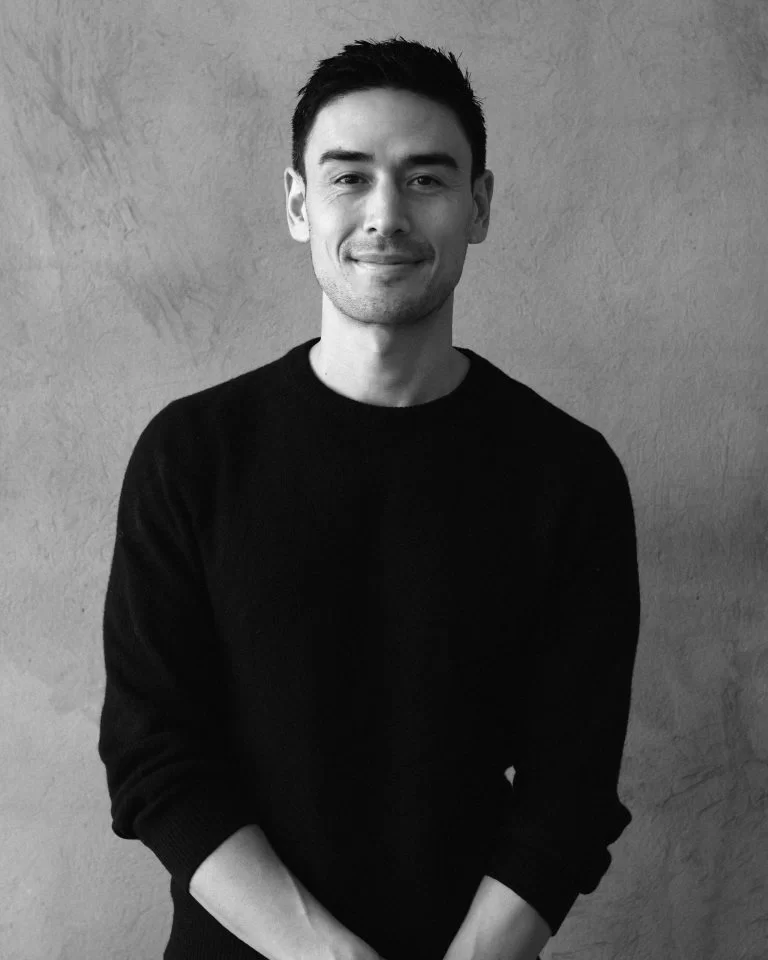
Quan payne
Studio Payne
Mental Health Expert

Sharon Draper
The Conscious Project
Host