
ASKING FOR A FRIEND
How do you prove that the work you've done actually works and is effective commercially?
ASKING FOR A FRIEND - QUESTION
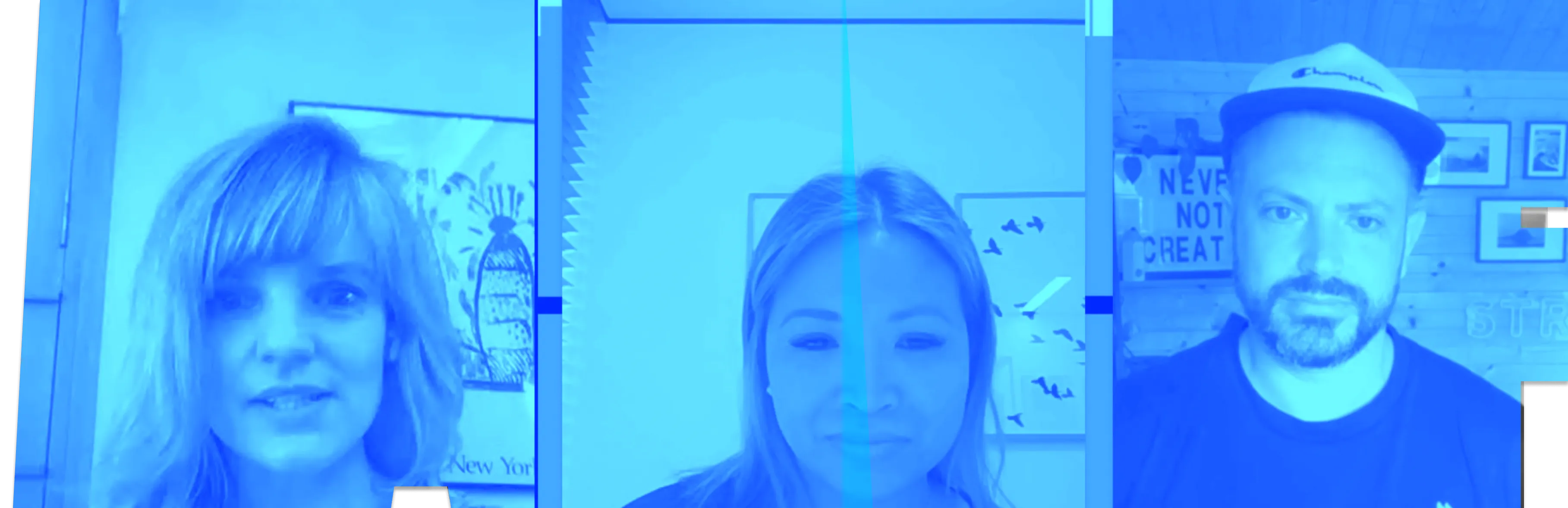
Proving that creative work actually delivers commercially is one of those questions that makes even the most confident creative pause. In this Asking For A Friend session, host Andy Wright puts it to two guests who deal with this challenge from very different angles. Dan Ingham, industry leader and in-house creative, explains how working within an integrated marketing team keeps him close to the data, and why understanding the commercial goal behind a brief is the only real antidote to subjective creative opinion. Tammi Miller, mental health expert and Group Communications Director at DEC Public Relations, brings the PR perspective, sharing why setting smart goals with clients upfront and defining what PR can genuinely claim credit for is essential to meaningful measurement. Between them, they cover brand work, campaign metrics, and why commercial success is always a team sport.
Every creative has faced the moment when someone asks: but did it work? It is one of the trickiest questions in the industry, and the answer is rarely as simple as pointing to a single metric.
This question was answered by Dan Ingham, an industry leader working within an integrated in-house creative and marketing team, whose day-to-day proximity to data gives him a pragmatic view of commercial measurement; and Tammi Miller, a mental health expert and Group Communications Director at DEC Public Relations, who brings years of experience helping clients set meaningful goals in the earned media space. The conversation was hosted by Andy Wright, host of Asking For A Friend on Never Not Creative.
Know What the Brief Was Actually Trying to Do
Dan is clear that the first step to measuring effectiveness is understanding the commercial goal behind the brief, not just the creative intention. Separating what you hoped the work would feel like from what it was meant to achieve is essential. A piece of work designed to sell event tickets needs to be measured against ticket sales, not aesthetic appreciation. Without that anchor, Dan says, you end up in subjectivity world, throwing things at the wall without any real way of knowing what is working.
Brand Work and Campaign Work Play by Different Rules
One of Dan's most useful observations is that brand work is notoriously hard to track because it is a long game, while campaign work tends to offer far more immediate and accessible metrics. Connecting a design to a share price increase, for instance, is a significant leap. Keeping perspective on what a single asset can and cannot claim credit for is an important discipline, especially when success is always a team effort across creative, marketing, and communications.
Set Clear Goals Upfront and Define What PR Can Actually Deliver
Tammi approaches measurement from the PR side, and her advice is direct: work with clients from the very start to set smart goals, and be honest about what PR can and cannot do versus what the sales team or other channels are responsible for. Defining success clearly before a campaign launches means everyone is measuring the same thing, and no single discipline is set up to carry expectations it was never designed to meet.
Ultimately, both Dan and Tammi agree that commercial effectiveness is a shared responsibility across the whole campaign team. When everyone understands the goal and contributes to measuring it, the conversation shifts from defending your work to learning from it together.
our guests
Industry Leader

Dan Ingham
Sydney Opera House
Mental Health Expert

Tammi Miller
BARE Therapy
Host