
ASKING FOR A FRIEND
How do I work best with a brilliant but unpredictable colleague whose irregular hours and absences affect the whole team?
ASKING FOR A FRIEND - QUESTION
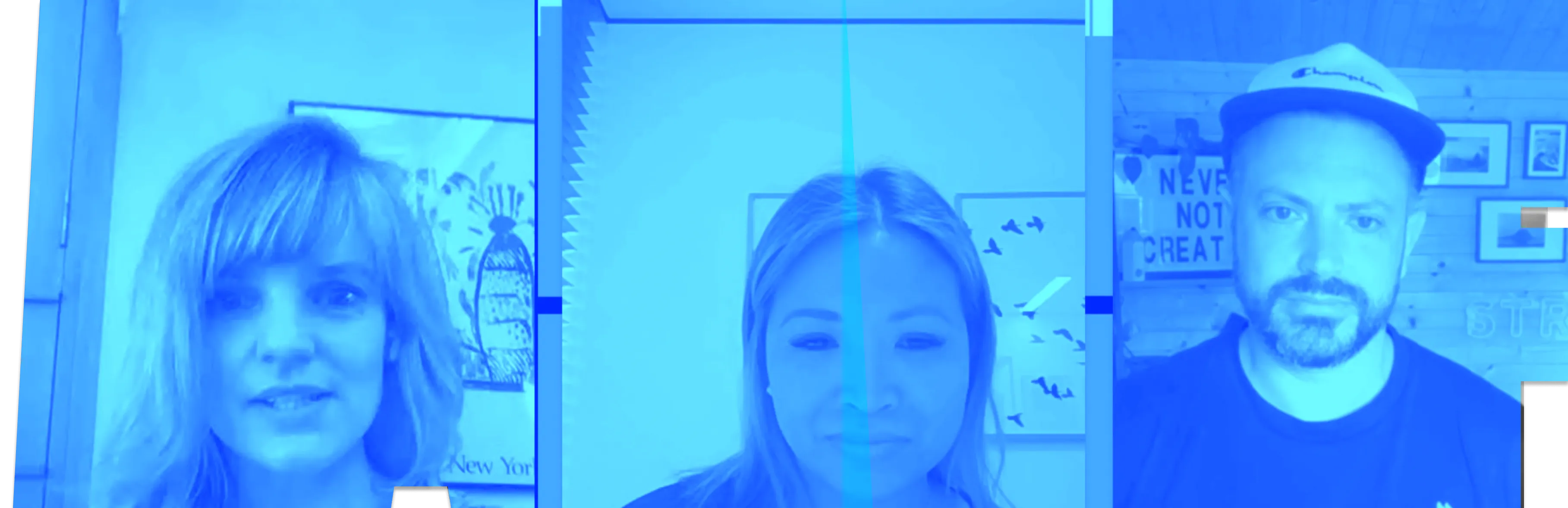
Ever worked with someone whose talent is undeniable but whose irregular hours and frequent absences leave the rest of the team quietly struggling? This Asking For A Friend session puts that exact question to Nick Hunter, Industry Leader and agency principal who has navigated this dynamic firsthand, alongside Mental Health Expert Aimee Davies, with host Andy Wright keeping the conversation honest and grounded. Nick unpacks why wanting consistency does not make you ungrateful for a colleague's genius, how far you can reasonably adapt your own working style, and why the unpredictable person in the room is probably not doing so well themselves. Practical, warm, and refreshingly candid.
Some of the most talented people in any workplace are also the hardest to work around. When brilliance comes bundled with irregular hours, frequent absences, and volatile energy, it puts enormous pressure on everyone else.
This question was answered by Nick Hunter, Industry Leader and agency principal who draws on firsthand experience managing high-performing talent in small teams, and Aimee Davies, Mental Health Expert whose work focuses on the human cost of difficult workplace dynamics, with Andy Wright hosting the conversation as part of this Asking For A Friend session.
You are allowed to want consistency
Nick is clear on this: wanting a reliable colleague does not make you unreasonable. In small teams especially, when one person's output is unpredictable, the burden shifts to everyone else and stress levels rise. Feeling the weight of that is not a character flaw, it is a natural response to an uneven situation.
Adapt where you can, but not indefinitely
Nick acknowledges there is value in modifying how you work to get the best out of a talented colleague. Building in buffers, adjusting communication styles, and planning around their rhythms can all help. But he is equally firm that this only goes so far. At some point, the other person needs to meet the team halfway too.
The cycle probably is not serving them either
One of the most useful reframes Nick offers is this: the colleague in question is likely not thriving either. Working in a way that leads to burnout, irregular attendance, and high stress is not sustainable for anyone. As a leader, Nick tries to help such people see that easing the pressure on themselves is not a concession, it is genuinely good for them.
When it becomes a leadership issue
For Nick, the line is crossed when one person's working pattern starts causing mental health problems for others. At that point, the wellbeing of the wider team has to take priority. This is especially acute in small agencies where there is little redundancy and one person can become a single point of failure.
It is a genuinely difficult balance, and there are no clean answers. But protecting your own wellbeing while staying open to adapting is a reasonable place to start.
our guests
Industry Leader

Nick Hunter
Paper Moose
Mental Health Expert

Aimee Davies
The Hey Mate Project
Host