
ASKING FOR A FRIEND
How do I stand out in a pile of portfolios when hundreds of applications are the norm?
ASKING FOR A FRIEND - QUESTION
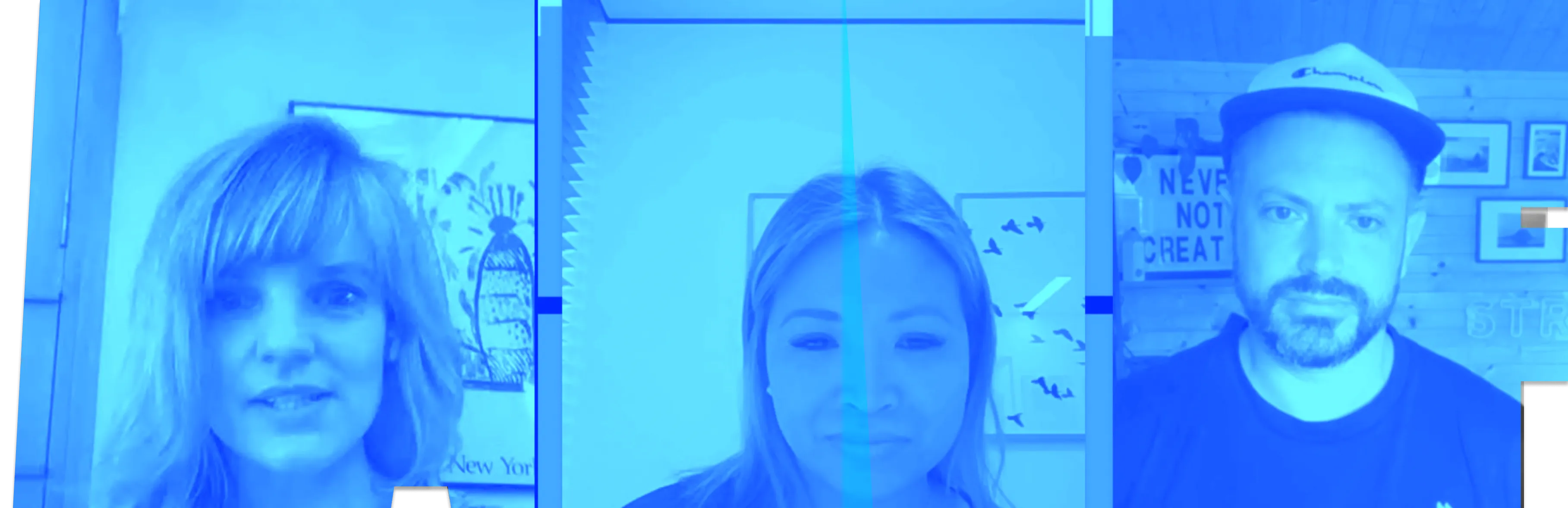
Hundreds of applications for a single role is the new normal, so how do you actually get noticed without sending a suspiciously large box of baked goods to a studio? In this Asking For A Friend session, host Andy Wright puts the question to Chris Doyle, an industry leader with serious folio-reviewing credentials, and Caitlin Thamm, a mental health expert who helps creatives navigate the pressures of putting themselves out there. Chris makes the case for clarity, craft, and genuine personalisation over performance, while Caitlin reminds us that pretending to be someone you're not might land you the job but it won't keep you in it. Together they offer practical, honest advice that cuts through the noise, including what to do when things don't go your way.
Hundreds of applications for a single role is no longer unusual. For creatives trying to break in or level up, that reality can feel paralysing. But the advice for navigating it might be simpler than you think.
This question was answered by Chris Doyle, an industry leader with deep experience reviewing creative folios and hiring designers, and Caitlin Thamm, a mental health expert who supports creatives through the pressures of career entry and self-presentation, with Andy Wright as host of Asking For A Friend on Never Not Creative.
Clarity beats acrobatics
Chris is direct on this: the instinct to perform, to send the oversized gift box, to create fireworks, is usually the wrong one. What actually resonates, particularly at studios like his, is consistency, craft, and professionalism. A folio and cover letter approached with genuine care and personalisation will outperform a loud, theatrical application almost every time. Maturity and seriousness, while quieter, do stand out.
Personalisation is the real differentiator
Chris makes clear that there is no single formula. What works for one studio may not work for another, which is precisely why research and personalisation matter so much. A generic application signals that you haven't done the work. Tailoring your approach to the specific studio or role you're applying for shows diligence, and that diligence is noticed.
Authenticity isn't just good advice, it's practical
Caitlin brings a perspective that is both grounding and pragmatic. Presenting a version of yourself that isn't really you might get you through the door, but it won't be sustainable once you're inside. If the role isn't a genuine fit, that will surface quickly. She encourages people to reconnect with why they want the role in the first place, because that clarity tends to come through naturally in how you present yourself.
When it doesn't work out, ask why
Chris also points to something often overlooked: asking for feedback when unsuccessful. It costs little and can be genuinely useful, provided the outreach is considerate and low-burden for the person receiving it.
The honest takeaway from this conversation is that standing out rarely requires a costume. It requires knowing who you are, showing your work with care, and making it easy for someone to see why you belong in the room.
our guests
Industry Leader

Chris Doyle
Christopher Doyle & Co.
Mental Health Expert
Caitlin Thamm
Host