ASKING FOR A FRIEND
How do I navigate a relationship with a manager who micromanages my every move?
ASKING FOR A FRIEND - QUESTION
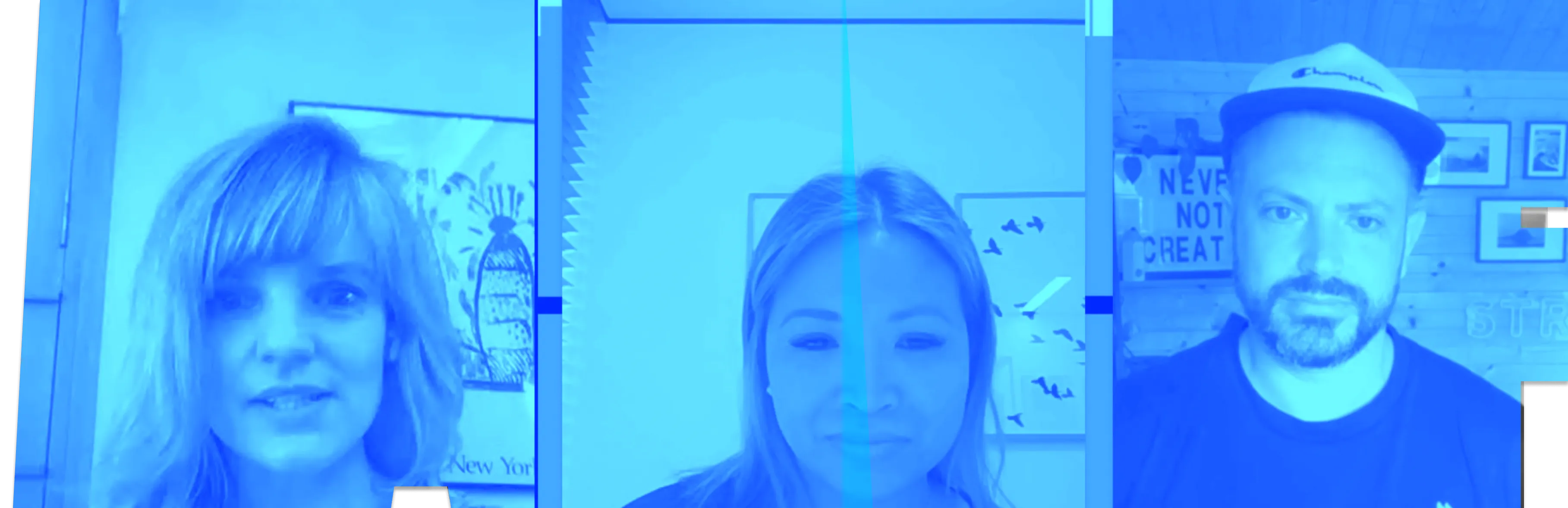
Being watched at every turn by your manager is exhausting, and it can seriously mess with your confidence, your sleep, and your sense of self at work. In this Asking For A Friend session, host Andy Wright puts the question to Aimee Davies, Mental Health Expert, and Nick Hunter, Industry Leader. Aimee walks through how to name specific controlling behaviours, structure a calm and solution-focused conversation, and when to bring in HR or external support if things don't improve. Nick adds the leader's perspective: he wants his team to come to him early and directly, and he does exactly the same himself. Between the two of them, they cover every angle of this all-too-common situation.
Micromanagement is one of the most common workplace frustrations, and one of the most draining. If you feel like you can't do anything without someone looking over your shoulder, you are far from alone.
This question was answered by Aimee Davies, Mental Health Expert, whose work focuses on practical strategies for navigating stress and difficult workplace dynamics, and Nick Hunter, Industry Leader, who shared his perspective on what good communication looks like from a manager's point of view. The conversation was guided by Andy Wright, host of Asking For A Friend on Never Not Creative.
Name What Is Actually Happening
Aimee's first suggestion is to get specific. Rather than sitting with a general feeling of being watched, try naming the exact behaviours that are causing stress. Is it constant check-ins? Unnecessary status updates? Corrections on small details? Getting clear on the pattern helps you separate the feeling from the facts, and gives you something concrete to work with.
Have a Calm, Solution-Focused Conversation
If it feels safe to do so, Aimee recommends approaching your manager directly, but framing the conversation around shared goals rather than blame. Something like: "I want to make sure I'm meeting your expectations, but I'm finding the level of checking hard to work with. Can we agree on when and how you'd like updates?" The aim is to create agreed clarity around priorities, deadlines, and what good enough actually looks like for both of you.
Don't Wait for Things to Fester
Nick's view from the leadership side is straightforward: the sooner the better. He actively encourages his team to bring things to him quickly, and he does the same himself, pulling someone aside after a meeting rather than letting tension build. A simple, specific conversation framed around how something made you feel is usually enough to shift things before they become a much bigger issue.
Know When to Seek Support
If direct conversation isn't possible, or if the behaviour continues, Aimee is clear that you don't have to manage this alone. Documenting patterns, speaking to HR, a trusted leader, your EAP, or an external mentor are all legitimate steps. And wherever possible, try to leave the stress at the door when you get home rather than carrying it with you.
Micromanagement often comes from a manager's own anxiety rather than a judgement on you. That doesn't make it less hard to deal with, but it does mean a good conversation can sometimes change everything.
our guests
Industry Leader

Nick Hunter
Paper Moose
Mental Health Expert

Aimee Davies
The Hey Mate Project
Host