ASKING FOR A FRIEND
How do I explain to my non-design boss that AI doesn't eliminate the need for design thinking and time?
ASKING FOR A FRIEND - QUESTION
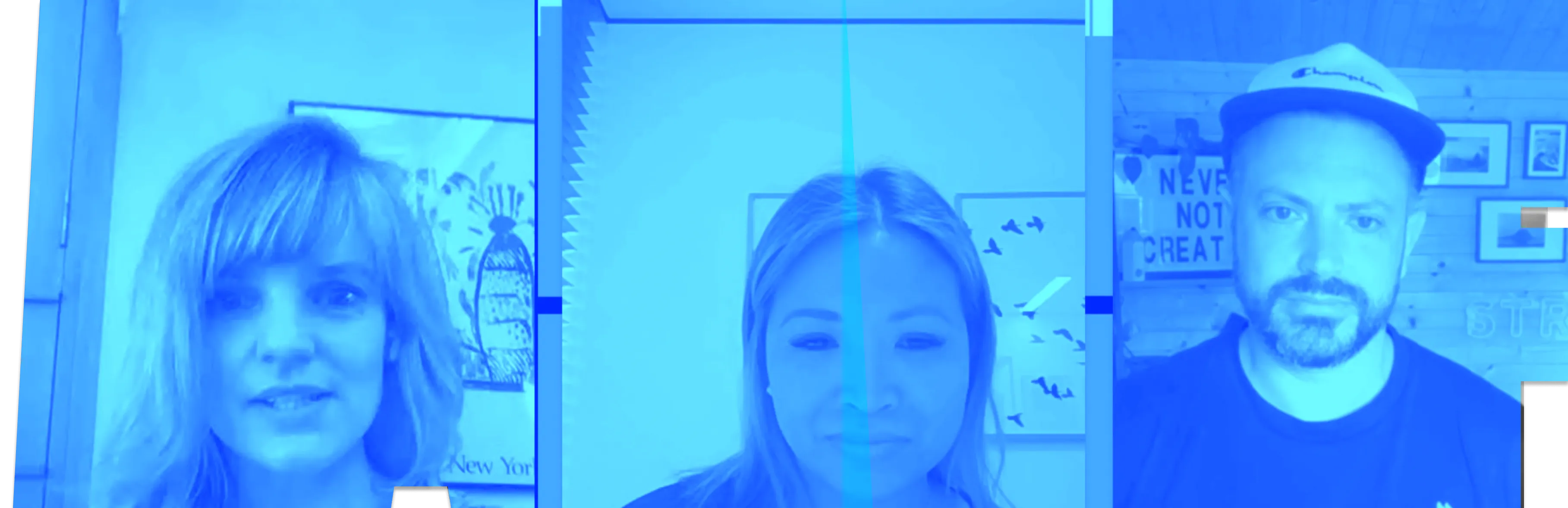
A designer is stretched thin: tighter deadlines, one less team member, and a boss who seems to think AI has made the whole thing easier. Sound familiar? In this Asking For A Friend session, host Andy Wright puts the question to Nick Hunter, Industry Leader and someone who genuinely lives inside these tools, and Aimee Davies, Mental Health Expert, who knows exactly what this kind of pressure does to creative professionals. Nick argues that AI changes outputs but not thinking time, suggests showing your boss the tool's limitations firsthand, and makes a genuinely reassuring comparison between AI right now and the internet in 1997. Spoiler: designers are going to be fine. Mostly.
The frustration is real: deadlines are shrinking, the team is smaller, and somehow AI is being used as the justification for all of it. But just because a tool can generate an image in seconds doesn't mean the thinking behind it takes any less time.
This question was answered by Nick Hunter, Industry Leader and someone who immerses himself in creative tools professionally, and Aimee Davies, Mental Health Expert, who understands the pressure these kinds of workplace mismatches place on creative professionals. The conversation was hosted by Andy Wright, host of Asking For A Friend on Never Not Creative.
The thinking time hasn't gone anywhere
Nick is clear on this: AI accelerates certain outputs, but it doesn't touch the thinking that underpins good design. Getting to a genuinely good solution is a deeply human process, and no prompt shortens that. As Nick puts it, if something is poor quality to begin with, producing it faster just delivers poor quality faster. The craft, the taste, the visual direction — none of that is automated.
Show, don't just tell
One of Nick's most practical suggestions is to simply invite your boss to try it themselves. Pull up the tool, let them attempt to get a result they'd actually be happy with, and let the experience do the explaining. AI can often get you 80 to 90 percent of the way there, but that final stretch can be surprisingly stubborn, and a hands-on demonstration makes that far more tangible than any conversation.
Designers are more secure than the panic suggested
A year ago, the conversation was full of alarm. Now, Nick argues, it's maturing. He draws a comparison to the internet in 1997: transformative in the long run, but nowhere near as immediately disruptive as the headlines suggested at the time. Taste, judgement, and the ability to direct a visual outcome remain deeply human qualities, and those are exactly what good design depends on.
The education piece matters more than ever
Because anyone can now open a tool and generate something passable, the job of explaining what real design involves has become more important, not less. Nick sees ongoing education as part of the role now, helping clients and colleagues understand the difference between something generated and something considered.
The pressure this kind of misunderstanding creates is real, and it deserves a direct, informed response rather than a quiet acceptance of an impossible workload.
our guests
Industry Leader

Nick Hunter
Paper Moose
Mental Health Expert

Aimee Davies
The Hey Mate Project
Host