ASKING FOR A FRIEND
How do I bring up my ADHD diagnosis at work without being targeted for redundancy?
ASKING FOR A FRIEND - QUESTION
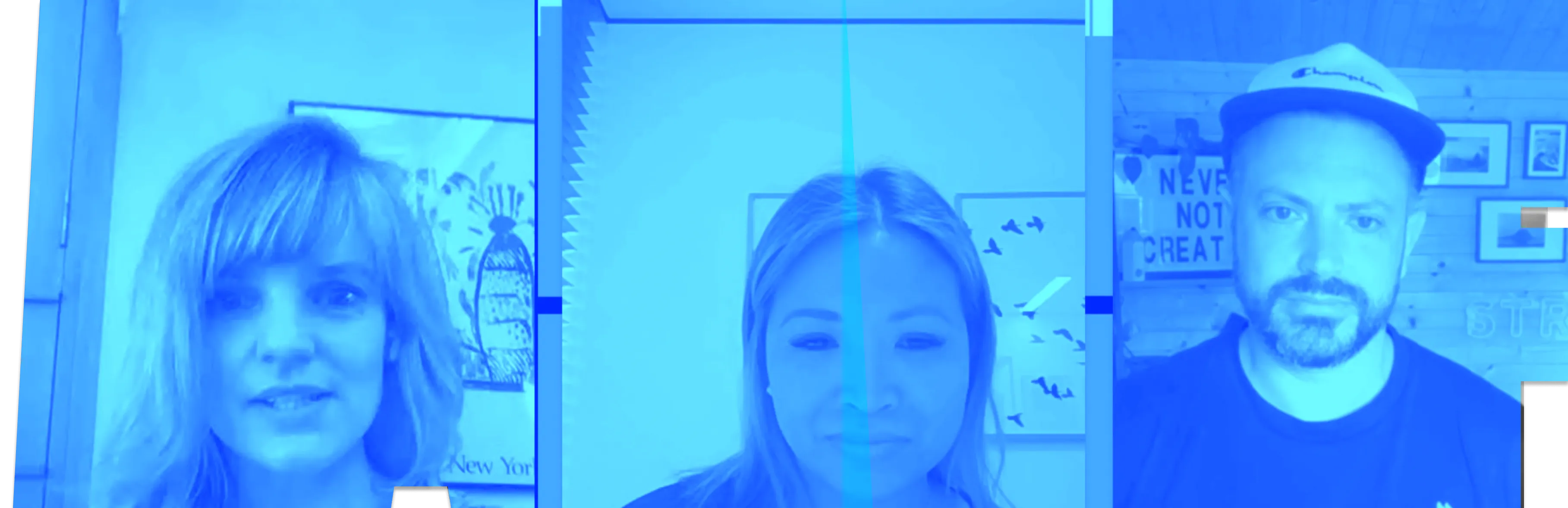
Psychologist and cyberpsychology researcher Ash King and Atlassian's Head of Design Tarra van Amerongen tackle one of the most common fears for newly diagnosed adults: how do you bring up your ADHD at work without it being used against you, especially when redundancies are looming? Ash breaks down why disclosure is a choice, not an obligation, and how to frame any conversation around function and performance rather than personal struggle. Tarra shares her own candid experience of getting it wrong the first time, and what she did differently. Warm, practical and genuinely reassuring for anyone sitting with a new diagnosis and wondering what to do next.
Your ADHD Diagnosis Is Not a Weakness: How to Talk About It at Work
Getting an ADHD diagnosis as an adult can feel like a revelation, and then almost immediately, a dilemma. Especially if you're in a workplace where redundancies are flying around, the question of whether to tell anyone, and how, can feel genuinely scary. You're not alone in sitting with this.
This question was answered by Ash King, psychologist, writer and cyberpsychology researcher at the University of Sydney, with additional insight from Tarra van Amerongen, Head of Design, Jira Platform at Atlassian and innovation design lecturer at UTS, both speaking on Never Not Creative's "Asking For A Friend" series, hosted by the show's regular host. Tarra brought a particularly personal perspective, having navigated her own recent ADHD diagnosis in a leadership role.
Disclosure Is a Choice, Not an Obligation
The first and most important thing to understand: you do not have to tell anyone. Ash was clear on this. Before you say a word to your workplace, get clear on what you actually want from the conversation. Are you looking for practical adjustments? Do you want to feel understood? Or are you simply processing something new about yourself?
If there's no clear benefit to you right now, you can sit on it. There's no deadline on disclosure.
Frame It Around Function, Not Feelings
If you do decide to share your diagnosis, Ash's advice is to keep it functional rather than personal. That means coming prepared with an understanding of how your ADHD actually shows up for you, because presentations vary enormously from person to person.
Think in terms of: "I work best with X structures" or "Here's how you can help me perform at my best." You may be speaking to someone who doesn't know what ADHD stands for, let alone what it looks like day to day. Framing it around performance and practical support keeps the conversation productive and professional.
What Happened When the Label Came First
Tarra learned this the hard way. After her psychiatrist warned her that using the label meant being "beholden to that person's impression of it," she went ahead and told her boss anyway. It did not go well. Her boss froze, didn't know what to do, and Tarra felt like she'd come across as broken.
So she took a step back and rewrote her user manual, a tool Atlassian used to help people explain how they work. Instead of leading with the diagnosis, she framed everything in business terms: she's a direct communicator, she says yes to everything and needs help prioritising, she benefits from frequent check-ins, and she works best when paired with someone more process-oriented on tasks that require strong follow-through.
The shift was significant. Same information, completely different reception.
Don't Forget the Strengths
One of the most important reminders from both Ash and Tarra: a diagnosis can send you into a spiral of "oh, so that's why that went wrong," but it's just as important to look at your summit moments.
Hyperfocus. Fast decision-making when others are paralysed. Creative thinking. The ability to do things nobody else on the team can do. Tarra put it plainly: she is successful not in spite of her ADHD, but because of it, when she's in the right environment.
The host echoed this, sharing that in his own work at Streamtime, knowing who on the team has ADHD means knowing exactly who to call on when a task requires that kind of deep, intense focus or attention to detail.
On Redundancy Fears
The redundancy concern is real, and Ash acknowledged it directly. But she also offered a grounding reframe: if you show up, do good work, collaborate well and deliver strong results, that is what gets noticed. Not the label.
Tarra added that when you get the environmental factors right, you can do things nobody else on your team can. That's not a redundancy risk. That's an asset.
Being Visible for Others
Tarra made the choice to be publicly open about her diagnosis, not just for herself, but for the large number of neurodiverse people on her team. Her reasoning: you can't be what you can't see. If someone who is a "total hot mess in some ways but really, really strong in others" can be a leader and be open about it, that matters.
It's a reminder that how we talk about our own minds at work doesn't just affect us. It shapes what others believe is possible for them too.
Whether you choose to disclose or not, the most important thing is that you're making an informed, intentional choice, not one driven by fear. Your diagnosis doesn't define your value at work. How you understand yourself, and communicate that understanding, does.
our guests
Industry Leader
Tarra van Amerongen
Mental Health Expert

Ash King
ashking.com
Host