ASKING FOR A FRIEND
How do I balance a boring AI-driven day job with side projects without burning out?
ASKING FOR A FRIEND - QUESTION
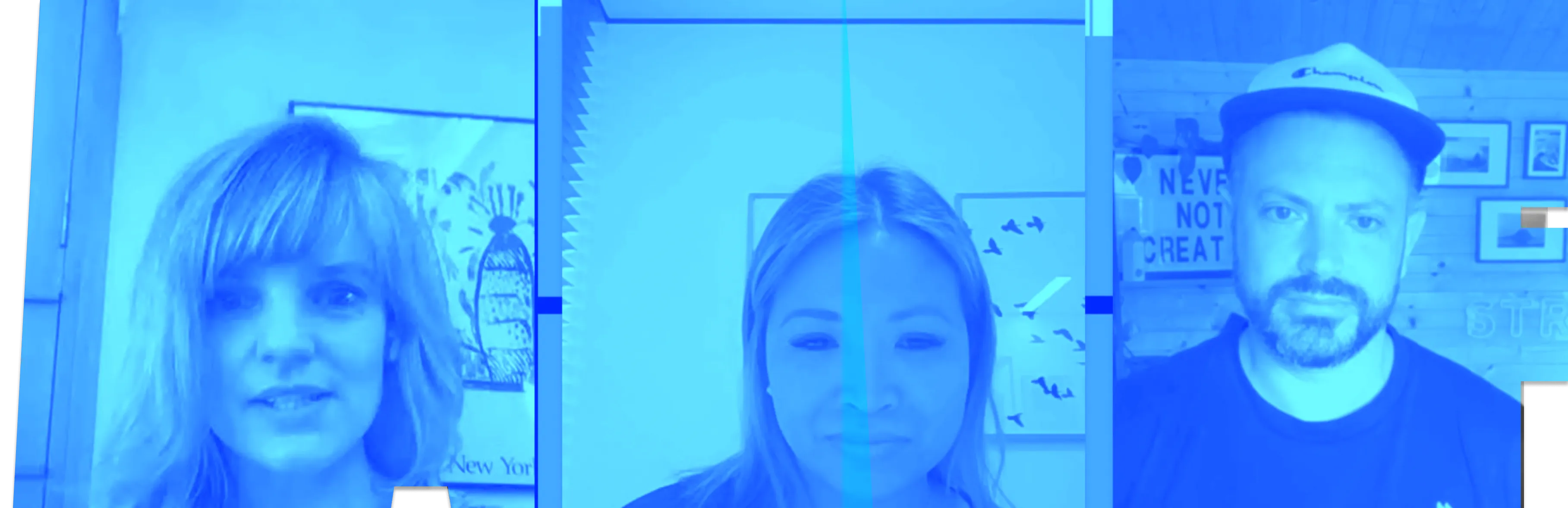
If your day job is getting more corporate, more AI-driven, and frankly more boring by the week, but every side project you start ends up abandoned by February, this Asking For A Friend session is for you. Chris Doyle, industry leader and company founder, gives a refreshingly unsentimental take on why not loving every part of your job is completely normal, and why the giant personal project you keep planning is probably the reason nothing ever gets made. Mental health expert Caitlin Thamm adds the crucial reminder to actually be kind to yourself when life gets in the way of your creative routine. Together with host Andy Wright, they make a compelling case for smaller ambitions, smarter habits, and a much more forgiving relationship with your own creative output.
When your day job starts to feel like a conveyor belt, the instinct is to pour everything into a side project that reminds you why you got into this in the first place. The problem is that instinct often leads straight to burnout.
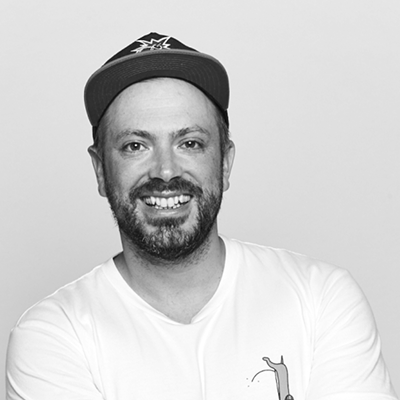
This question was answered by Chris Doyle, industry leader and founder, whose experience running his own company while navigating the tension between commercial work and personal creativity gives him a grounded, unsentimental perspective; Caitlin Thamm, mental health expert, who brings insight into the psychological weight that unrealistic expectations can place on already exhausted people; and Andy Wright, host of Asking For A Friend on Never Not Creative, who facilitates the conversation and shares his own experience of keeping a creative outlet alive alongside a demanding full-time role.
Not Loving Every Part of Your Job Is Normal
Chris is direct about this: even people working in genuinely creative fields spend a significant portion of their time on work that does not excite them. That is not a failure, it is just the reality of having a job. Pulling back and asking whether you enjoy any part of what you do, rather than measuring it against some ideal version of your career, is a more useful and honest starting point.
Why Your Personal Project Never Gets Off the Ground
The pattern is familiar. You picture a book, a campaign, a body of work, something substantial enough to feel like a real creative statement. But the bigger the vision, the harder it is to start, and the easier it is to abandon. Chris argues that designers and creatives habitually set themselves insurmountable personal briefs, then wonder why nothing gets made.
Small Bursts Beat Grand Plans
The alternative is to look for miniature versions of the creative exercise you are craving. Working in short, manageable bursts, rather than waiting for the time and energy to tackle something enormous, keeps the creative muscle active without adding another exhausting obligation to an already full week. Think of it less like a project and more like a practice.
Build It In as a Reward, Not a Chore
Andy reframes side projects not as extra work but as something you save time for, in the same way you might protect time for the gym or for seeing friends. The day job, as Chris points out, is partly what funds the freedom to do those things at all. That shift in perspective matters.
Be Kind to Yourself When Consistency Slips
Three weeks on, three weeks off. That is fine. Expecting perfect consistency on top of an already demanding schedule is a fast route back to the burnout you were trying to avoid. Give yourself permission to come back to it without guilt.
The honest answer, as Chris acknowledges, is that there is no clean solution here. But approaching your creative life in smaller, kinder, more realistic increments is a much better place to start than waiting for the perfect project, the perfect time, or the perfectly fulfilling job.
our guests
Industry Leader
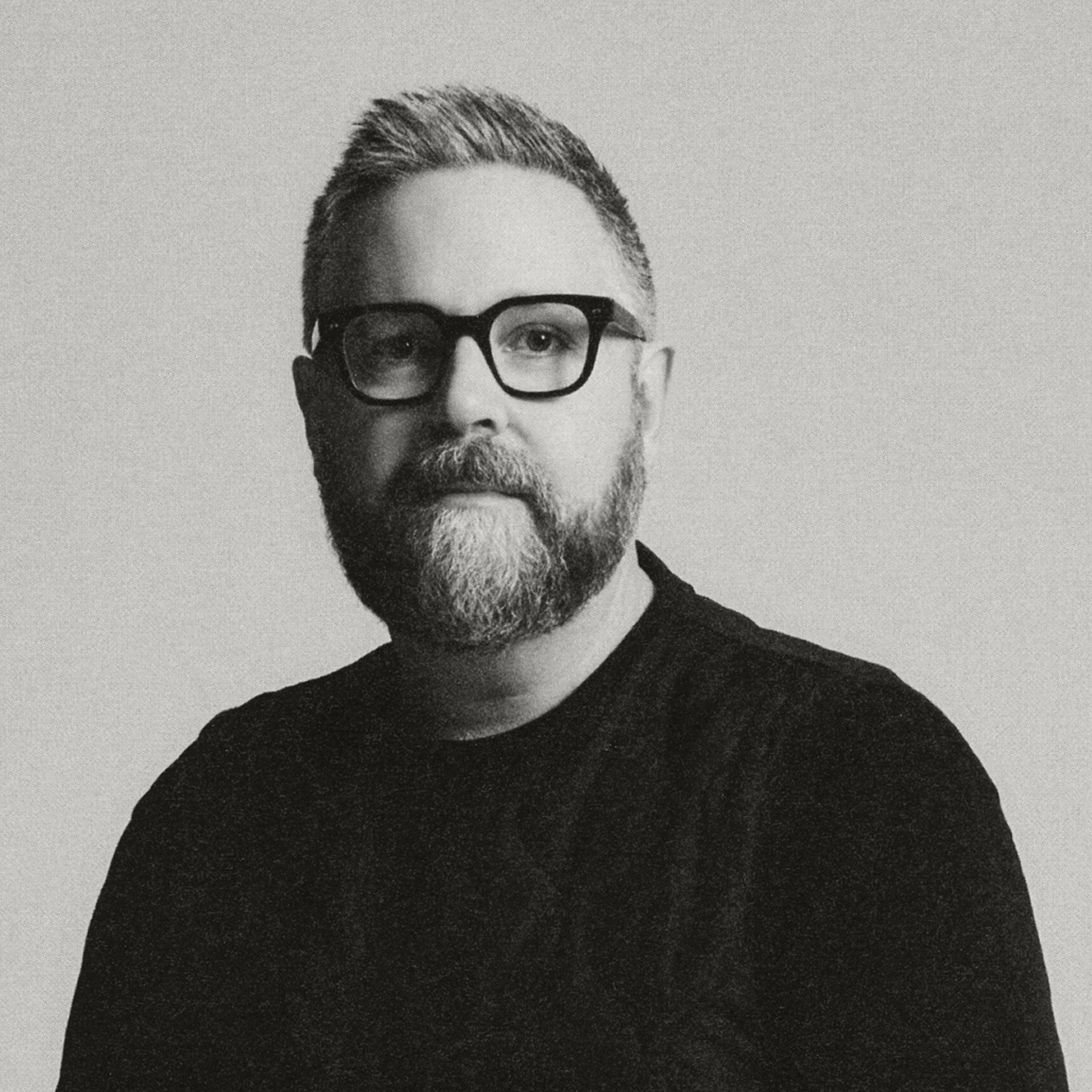
Chris Doyle
Christopher Doyle & Co.
Mental Health Expert
Caitlin Thamm
Host