ASKING FOR A FRIEND
Have you ever been tempted to grow and scale your agency?
ASKING FOR A FRIEND - QUESTION
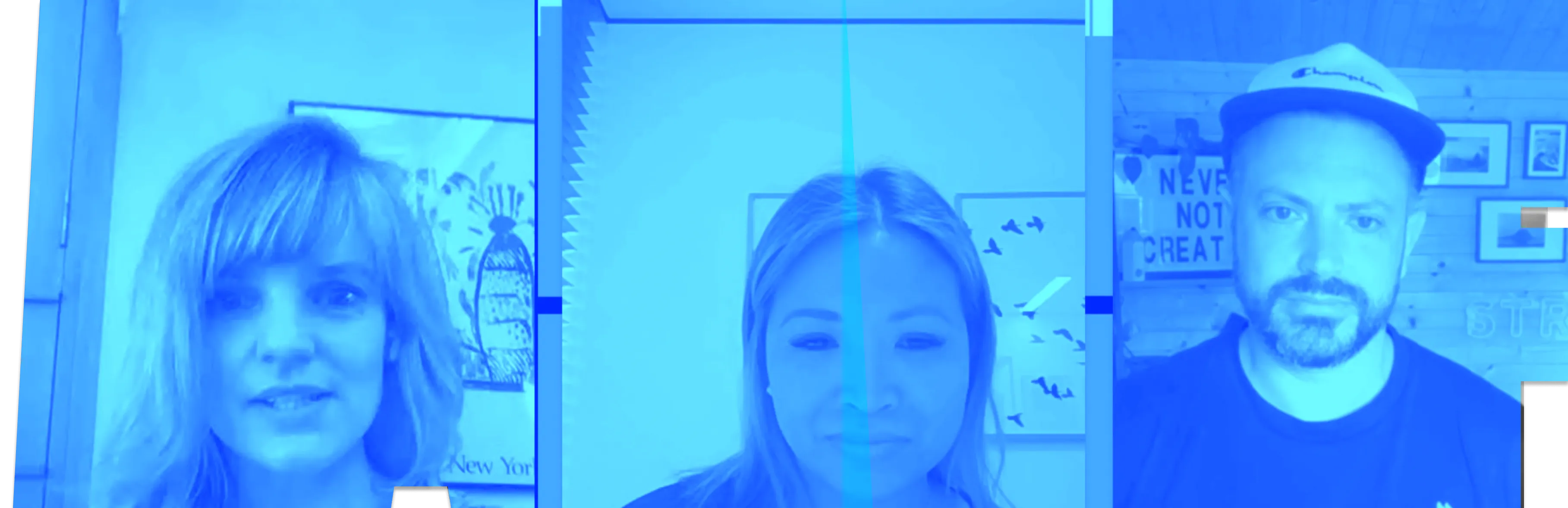
Have you ever been tempted to grow and scale your agency, only to feel a quiet resistance you couldn't quite explain? In this "Asking For A Friend" conversation, Christopher Doyle, award-winning brand and design director with over 20 years of experience, gets refreshingly honest about why he's kept his studio intentionally small, and why the doing still matters more to him than the managing. Joined by Dr. Aileen Alegado, registered clinical psychologist and Director of Mindset Consulting, the pair unpack the very real pressure creatives face to scale up, and why opting out of that path isn't a failure. It's often the smartest, most self-aware move you can make. Also searchable as: should I grow my agency, creative agency scaling, staying small in business, agency growth pressure.
Growing Pains: Why Staying Small Might Be the Smartest Move You Make
There's a quiet pressure in the creative industry that says growth equals success. More people, more projects, more prestige. But what if the most honest, courageous thing you can do is look at that ladder and decide you don't actually want to climb it?
This question was answered by Christopher Doyle, award-winning brand and design director with over 20 years of experience across Australia's leading agencies, and Dr. Aileen Alegado, registered clinical psychologist and Director of Mindset Consulting, specialising in corporate professionals and high performers. The conversation was hosted as part of Never Not Creative's "Asking For A Friend" series.
The Temptation Is Real (And That's OK)
Most people running a creative business have thought about scaling. Chris is no different. He's been there, considered it, and even experienced what a slightly bigger team felt like, reaching a peak of five people before pulling back.
"I've thought about it, certainly," Chris says. "Like anyone running a business thinks about growth and scale and all that sort of stuff."
The difference is what he did with that thought. Rather than chasing it, he got honest about what actually made the work feel good.
When Your Body Tells You Something Your Brain Won't
Chris describes a very specific moment of clarity, not a spreadsheet decision, but a physical one. When he tried to step back from the doing and move into a more senior, managerial mode, something didn't sit right.
"It was a very obvious feeling in my body that that was a fight," he says. "If you feel like you're fighting something like that, that you have control over, for that long, that says to me that I shouldn't be pursuing that path."
He didn't give in to the pressure. He listened to himself instead. And the result? He still genuinely enjoys the work.
The Doing Is the Thing
For Chris, the whole point of leaving agency life to set up his own studio was the making. The actual, hands-on creative work. And he's been honest enough with himself to protect that.
"The bigger the team gets, the less chance you have of actually doing the work," he explains. "I feel very attached to the doing, the actual act of making, and I think that would slip away if it got bigger."
This isn't a failure to grow. It's a deliberate, values-led choice.
It's Not Just About You (But It Kind Of Is)
Chris is clear that staying connected to work you love doesn't just benefit you. It ripples outward.
"That energy gets reflected onto those people," he says, referring to colleagues and collaborators. "But it also affects my family, it affects my friends. If I figure out a way to be satisfied in that part of my life and enjoy it, that's going to impact how I feel about other parts of my life."
Wellbeing at work isn't a luxury. It's structural.
The Psychology Behind the Pressure
Aileen brings a clinical lens to what Chris is describing, and she names it plainly: it takes courage to opt out of a path that's been handed to you.
"I admire the courage that it takes for somebody who has the option to scale and be bigger, and realise that it's like, I don't actually want to," she says.
She sees this pattern often with creatives specifically, people who got into their field because of the creative work itself, only to find themselves managing teams and wondering where the job they loved went.
"It's almost like that's not the job I signed up for," Aileen says. "And that's actually OK to say."
Management Isn't a Universal Upgrade
One of the most useful reframes in this conversation is the idea that moving into management isn't a promotion everyone should want. It's a different job, with a different skill set, and it suits some people brilliantly and others not at all.
"Some people transition into it absolutely flawlessly and happily," Aileen acknowledges. "But it's definitely not for everyone."
Senior designers who find themselves with ten or twelve direct reports and no design work left on their plate aren't failing. They may simply be in the wrong role, one they never actually applied for.
Conclusion
Whether you're a team of one or quietly wondering if five was already too many, this conversation is a reminder that there's no single definition of success in creative work. Staying small, staying hands-on, staying connected to the thing that made you fall in love with the work in the first place: that's not a consolation prize. It's a legitimate, considered, courageous choice. And if your body's been trying to tell you something, it might be worth listening.
our guests
Industry Leader
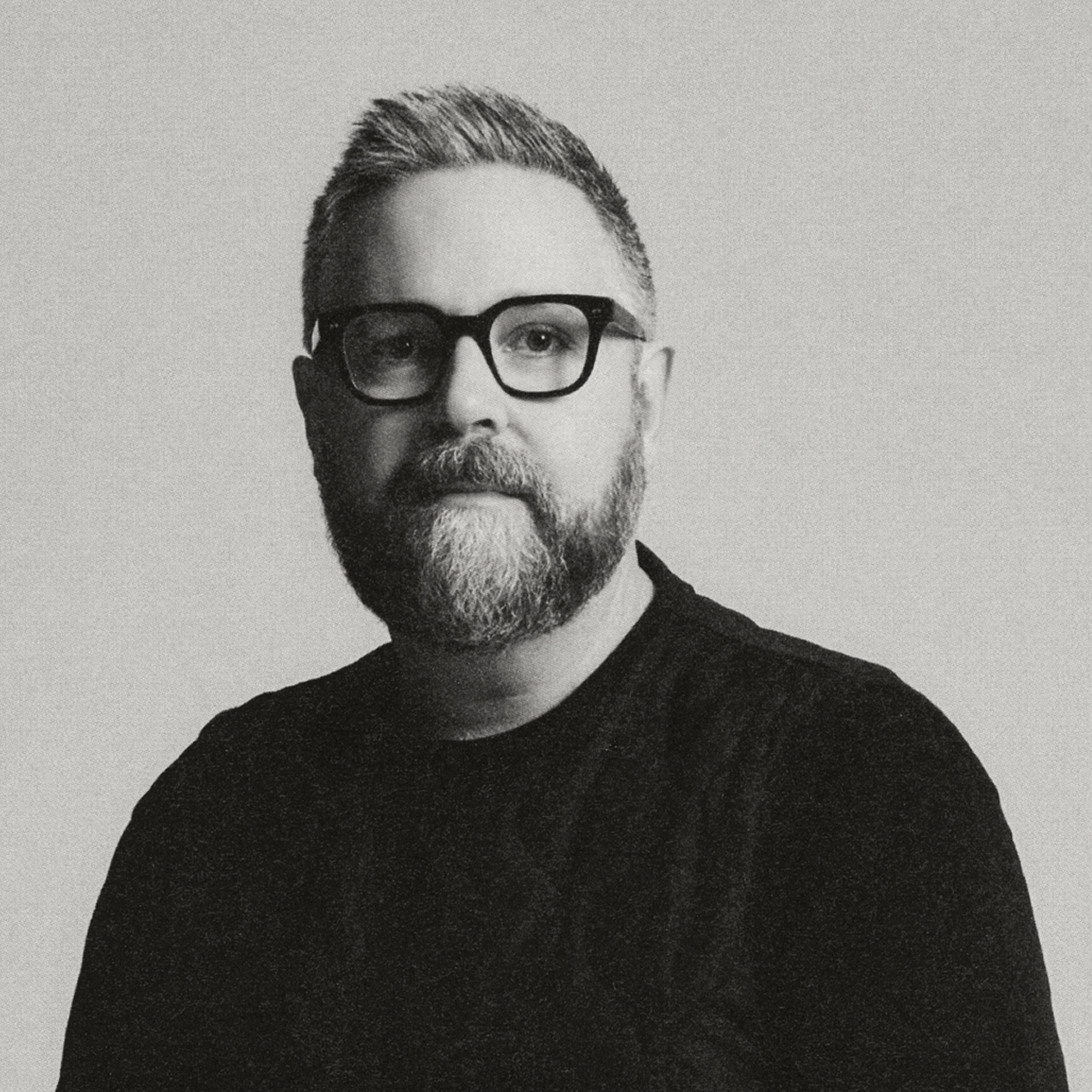
Chris Doyle
Christopher Doyle & Co.
Mental Health Expert

Dr Aileen Alegado
Mindset Consulting
Host