ASKING FOR A FRIEND
Does not being a citizen or permanent resident affect your chances of being hired in the creative industry?
ASKING FOR A FRIEND - QUESTION
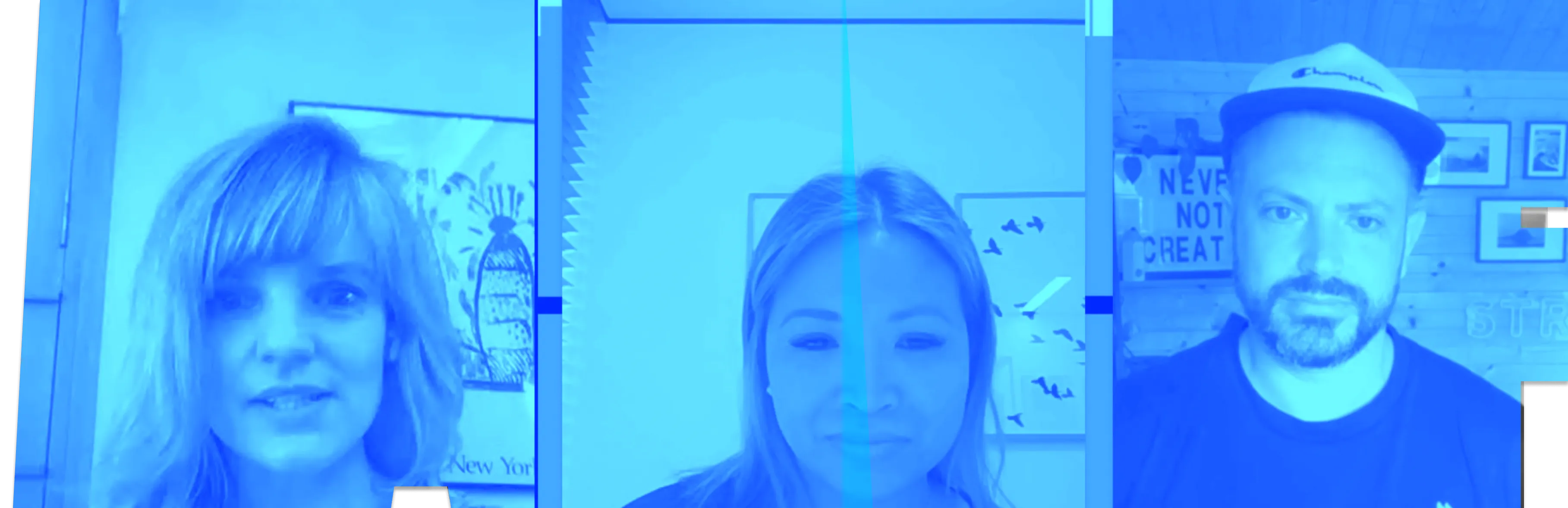
Does not having citizenship or permanent residency affect your chances of landing a creative job? Spoiler: yes, and it is more layered than most people realise. In this Asking For A Friend session, host Andy Wright puts the question to Quan Payne, an industry leader who has been in the trenches trying to sponsor international talent, and Sharon Draper, a mental health expert who knows all too well the stress these situations create for everyone involved. Quan breaks down why graphic design falling off the skilled visa list is a big deal, why rising salary thresholds hit smaller studios hardest, and why doing your homework on an employer's sponsorship history before you apply could save you a world of uncertainty.
Navigating the creative job market is competitive enough without the added complexity of visa and residency requirements. For many international creatives, understanding how citizenship status affects their chances of being hired is one of the most pressing, and least talked about, questions they face.
This question was answered by Quan Payne, an industry leader with direct experience of employer sponsorship processes, and Sharon Draper, a mental health expert who understands the personal toll that visa uncertainty takes on workers and workplaces alike. The conversation was hosted by Andy Wright, host of Asking For A Friend on Never Not Creative.
Graphic Design Has Been Removed From the Skilled Visa List
Quan was direct: visa status does matter. One of the most significant recent changes is that graphic design has been removed from the skilled visa list, which immediately limits the pathways available to international designers hoping to work long-term in the industry. Certain roles, such as media designers, may still appear on the list, but eligibility depends heavily on the specific job title and circumstances.
Salary Thresholds Make Sponsorship Harder
Even where sponsorship is technically possible, rising salary thresholds have made it more difficult, particularly for candidates earlier in their careers. Quan noted that the cost and administrative burden of sponsorship falls heavily on employers, and for smaller studios or agencies, that burden can be enough to make sponsorship impractical, regardless of how talented the applicant is.
Short-Term Versus Long-Term Roles Require Different Thinking
Residency status matters far less for short-term or freelance engagements. It becomes a significant factor when someone is seeking a permanent position or hoping to build a long-term relationship with a studio. Quan's advice is clear: do your research early. Look for businesses that have an established track record of sponsoring employees, rather than hoping it will come together during the hiring process.
The Human Cost of Visa Uncertainty
Beyond the paperwork, both Quan and Sharon acknowledged the stress this situation creates, not just for businesses weighing up the complexity, but for the individuals caught in the middle when criteria change unexpectedly. It is a reminder that policy shifts have real human consequences.
For international creatives, knowledge is the best preparation. Understanding the landscape before you apply puts you in a far stronger position to find the right opportunities with the right employers.
our guests
Industry Leader
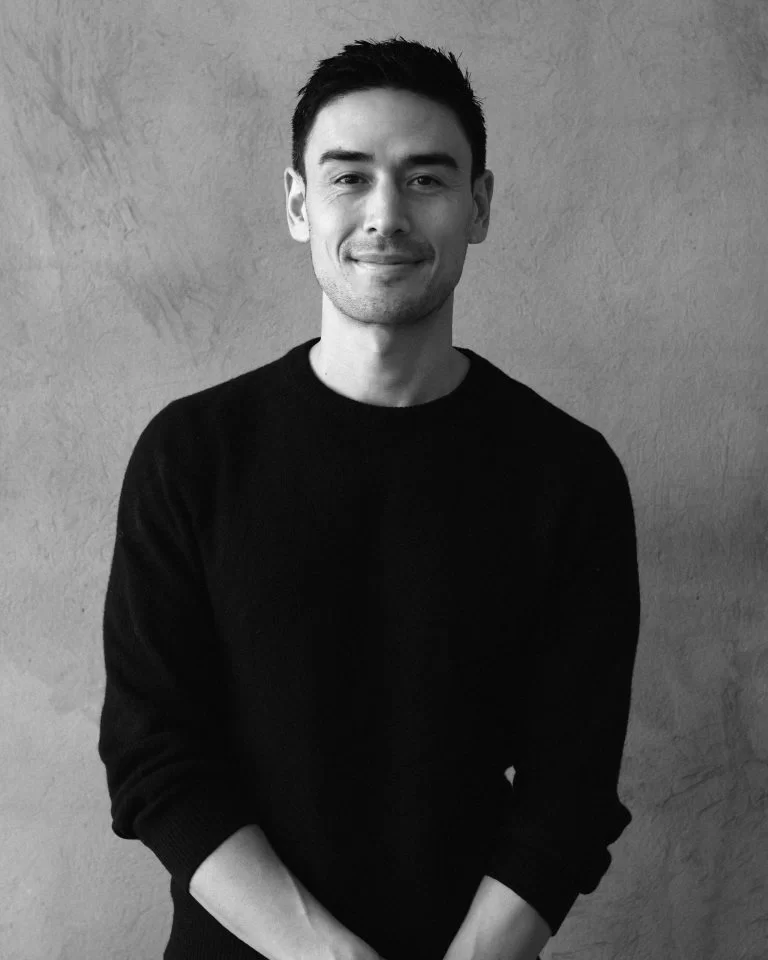
Quan payne
Studio Payne
Mental Health Expert

Sharon Draper
The Conscious Project
Host