ASKING FOR A FRIEND
After 6 weeks of job hunting and no success, how do I keep up my confidence?
ASKING FOR A FRIEND - QUESTION
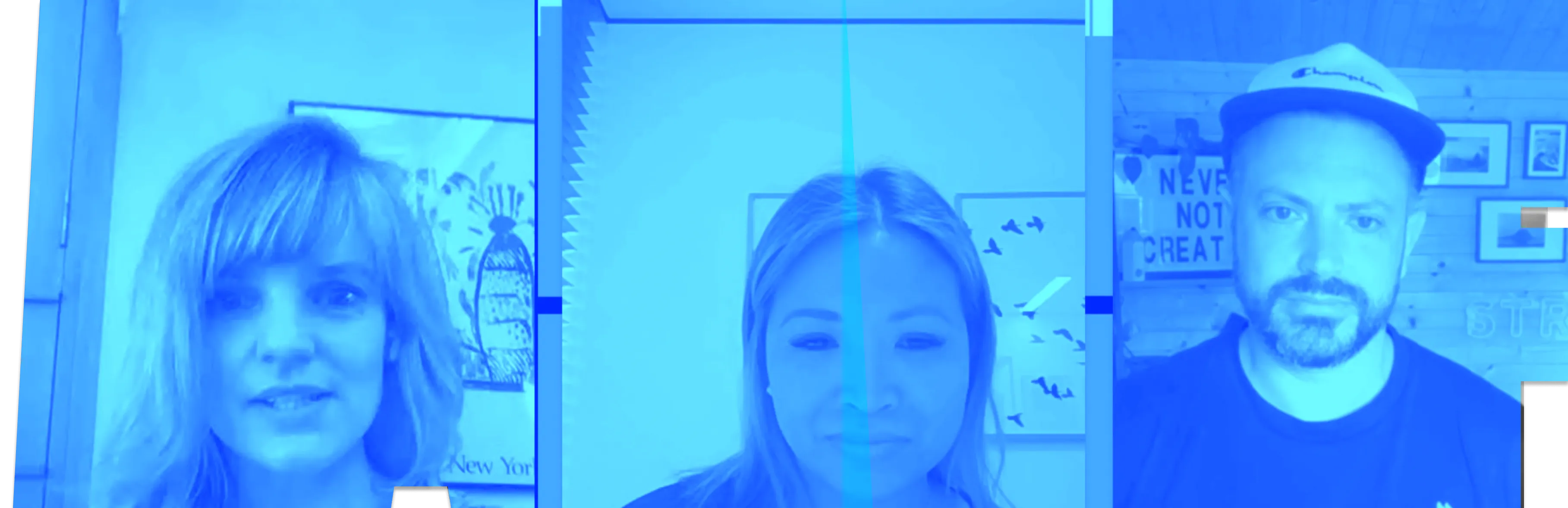
Feeling knocked around after six weeks of job applications and rejections? You are not alone, and you are not behind. In this "Asking For A Friend" session, Dr. Aileen Alegado, registered clinical psychologist and Director of Mindset Consulting, and Christopher Doyle, award-winning brand and design director, tackle the very real question of how to keep your confidence intact during a prolonged job search. Aileen unpacks the LinkedIn comparison trap and why focusing on process over outcome is the sanest thing you can do. Chris brings the creative industry perspective, including why asking for input (not just jobs) can quietly change everything. Warm, honest, and genuinely useful for anyone searching for work in a competitive field.
Six Weeks In and Still Searching: How to Keep Your Confidence Alive During a Job Hunt
It is completely normal to feel the ground shifting beneath you when a job search stretches on longer than you expected. The rejections pile up, the LinkedIn feed starts to feel like a highlight reel of everyone else's wins, and somewhere along the way your confidence quietly slips out the door.
This question was answered by Dr. Aileen Alegado, registered clinical psychologist and Director of Mindset Consulting, who specialises in working with high performers and corporate professionals, and Christopher Doyle, award-winning brand and design director with over 20 years of industry experience. The conversation was hosted as part of Never Not Creative's "Asking For A Friend" series, a space where real, honest questions from the creative community get real, honest answers.
You Are Not Behind (Seriously)
The first thing to understand is that six weeks is not a long time, even though it absolutely feels like it. As Aileen points out, the average job search runs anywhere between three and six months. That means at the six-week mark, you are very much in the early stages, not the tail end of a failed attempt.
Aileen's advice is direct: "Not first of all thinking that you're not behind, because that's not the mindset or the energy that you need that will help you move forward." Reframing where you actually are in the process is the first step to steadying yourself.
The LinkedIn Trap Is Real
If scrolling through LinkedIn is making you feel worse, that is not a personal failing. It is a completely predictable response to a platform that is built around celebrating wins. Nobody posts their rejection emails.
Aileen puts it plainly: "It highlights the things that we want curated shown. It's people's successes and they don't really have many behind the scenes on there." The comparison your brain is making is not a fair one. You are measuring your behind-the-scenes against everyone else's highlight reel.
If the feed is draining your energy rather than inspiring you, Aileen's recommendation is simple: step away from it. "If it's not inspiring, then it might be draining. So just watch out for what sort of things you consume."
Focus on the Process, Not the Outcome
One of the most useful shifts you can make is moving your attention away from the result (getting the job) and towards what you can actually control (doing the work of applying well).
Aileen frames it this way: "Could I let those outcomes go? Getting a response is not something I can control." Sending a strong application, preparing thoroughly, showing up well, those are yours. What happens after is not.
Chris reinforces this from a design industry perspective, noting that right now a single role might attract three to four hundred applicants. "There's a numbers game," as Aileen puts it. Sometimes not getting the job has nothing to do with your ability and everything to do with invisible criteria, internal politics, or timing. "Don't make it about you," Aileen says, "because a lot of the time we feel down and out when we internalise these things as being about us."
Every Application Is Still Experience
Chris makes a point that is easy to dismiss when you are tired and frustrated, but worth sitting with: the process itself has value, even when the outcome is not what you wanted.
"Writing an application, preparing a folio, getting to an interview, if you get to that stage, even for the outcome not to be the one you want, there's still learning and experience in all those things," Chris says. The email you craft, the interview you sit, the folio you refine: all of it is building something, even when it does not feel like it.
Ask for Feedback, and Ask for Input
Two practical moves Chris recommends, and both are worth trying.
The first is asking for feedback when you do not get a role. Many studios will not have the capacity to respond, but some will, and that information is genuinely useful. "I'm a really big fan of, in not getting jobs, to really try if you can engage with the studio and understand what you need to improve," Chris says.
The second is subtler: rather than always asking for a job or an interview, try asking for input. Reach out to a studio not to pitch yourself, but to ask for a perspective on your folio, or advice on how to approach applications. "There's much less pressure attached to them because the outcome isn't the job, it's just this incremental kind of bits of improvement you can access and push for," Chris explains. It takes the weight off the interaction, and it often opens doors that a direct job enquiry would not.
Keep Going, Because You Love It
Chris closes with something that sounds simple but carries real weight: if design is what you love, keep doing it and keep pursuing it through every avenue available to you, for as long as you possibly can.
"If it's something you feel passionately about, do it and keep doing it for as long as you possibly can. That's why you kind of love it and that's why we do what we do."
That is not a platitude. It is a reminder that the reason this search feels hard is because it matters to you. And that matters.
Six weeks of job hunting is genuinely tough, and the feelings you are having, the self-doubt, the comparison spiral, the exhaustion, are completely normal responses to a difficult situation. You are not failing. You are in the middle of a process that takes time. Focus on what you can control, protect your energy, ask for feedback where you can, and keep showing up. The right door will open.
our guests
Industry Leader
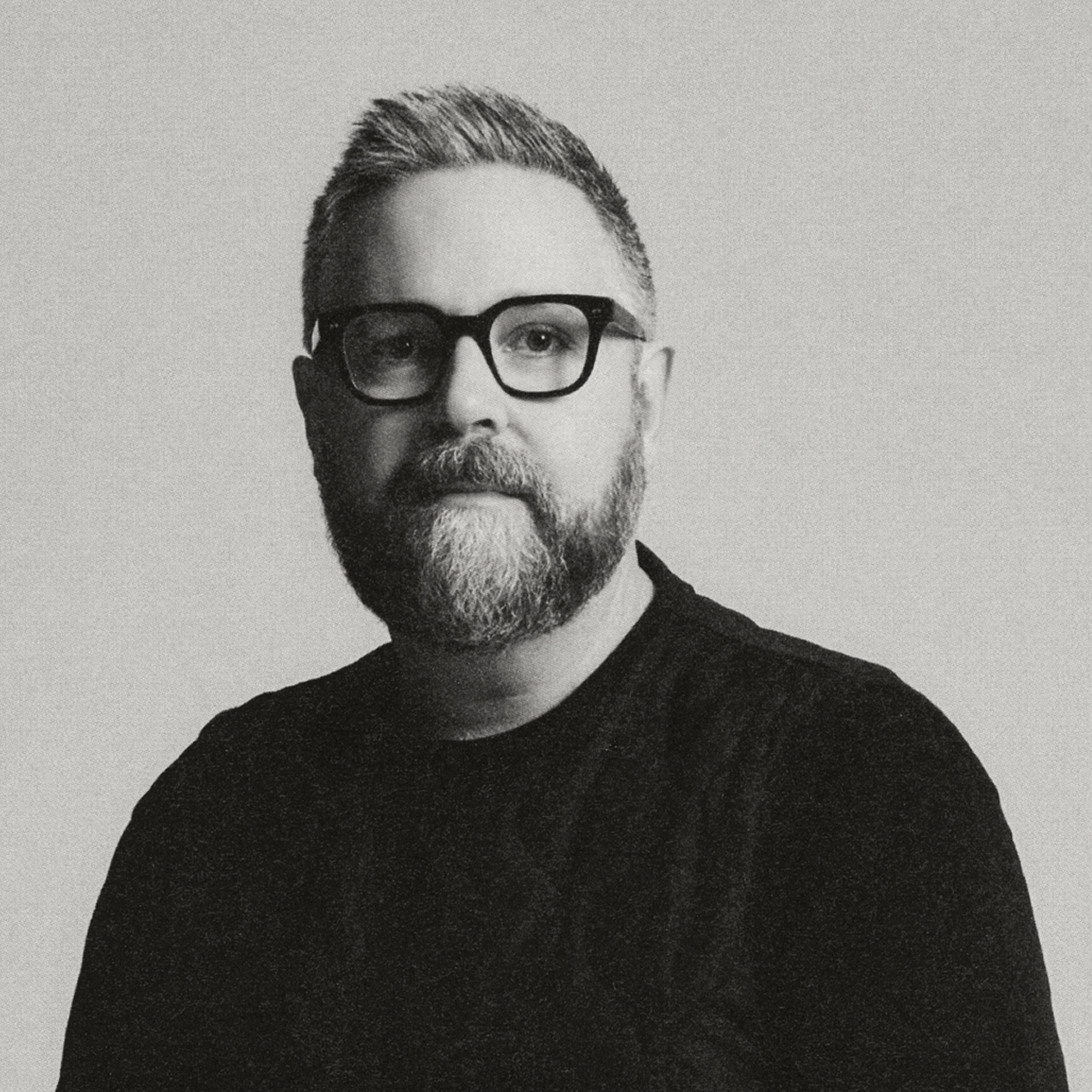
Chris Doyle
Christopher Doyle & Co.
Mental Health Expert

Dr Aileen Alegado
Mindset Consulting
Host